
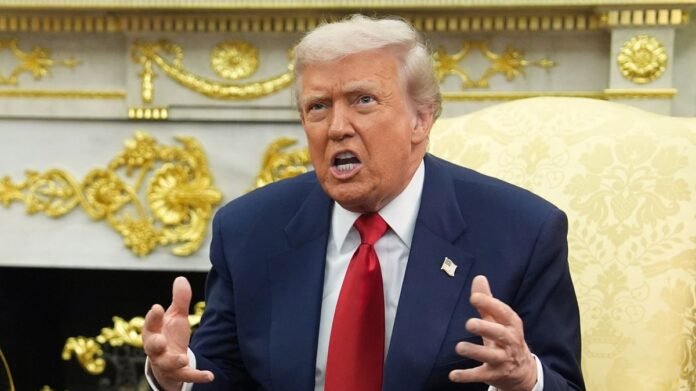


It was inevitable that a man with limited power, who has already experienced a decline once, would struggle to maintain it for a second time.
Despite Donald Trump’s diminishing political influence, he seems oblivious to the reality as media attention focuses on his statements rather than his weakening position.
The US economy faces challenges with a sluggish performance, escalating prices, a rising opposition, and Trump’s base showing indifference towards his limited achievements in various matters. Criticism even emerges from figures like Jefrey Epstein posthumously. Trump’s presidency seems to be defined by his unpopularity, setting a record low in modern US history.
As Trump’s approval ratings plummet, there is a concern that his temperament might worsen with his diminishing power. History shows that losing figures tend to become more aggressive, as seen in the aftermath of the Capitol incident.
Trump appears to be in denial about his declining status, similar to a person with dementia unaware of their diagnosis. His failures in fulfilling promises, such as controlling living costs and border issues, contribute to his unpopularity. Moreover, his health and energy levels show signs of decline, impacting his public appearances and speeches.
The upcoming mid-term elections signal a typical decline in a president’s authority, prompting discussions about potential successors within Trump’s party. The prospect of a younger, more dynamic replacement threatens Trump’s position further.
Amidst these challenges, Trump’s recent directives to resume nuclear testing pose a global risk. The potential consequences of such actions could trigger a dangerous arms race and jeopardize international stability.
The looming specter of a new nuclear arms race, combined with Trump’s deteriorating leadership, raises concerns about the future of US dominance and global democracy. The world watches anxiously as these events unfold, hoping for a resolution that steers clear of catastrophic outcomes.