
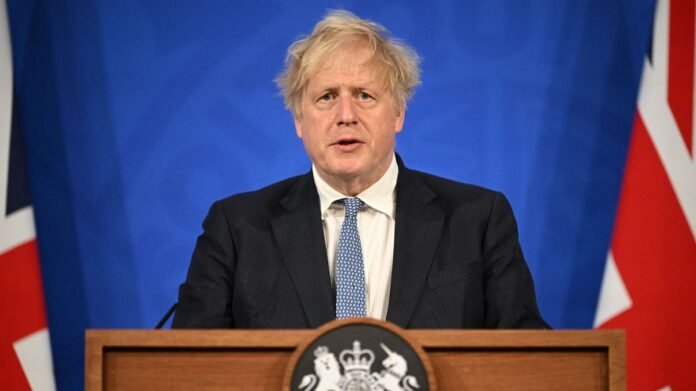


A comprehensive review by the Covid-19 Inquiry has issued a scathing assessment of Boris Johnson’s management of the pandemic, resulting in a significant loss of lives. The inquiry, led by Baroness Heather Hallett, criticized the government for delayed implementation of restrictions, leading to unnecessary fatalities and eventual nationwide lockdowns.
Baroness Hallett’s report attributed over 230,000 deaths to the virus, highlighting the dire outcomes resulting from governmental decisions made during the crisis. The inquiry pointed out a lack of urgency in responding to the pandemic and highlighted deficiencies in the test and trace system.
The report emphasized that earlier intervention could have potentially reduced the severity of the first lockdown. It revealed that the government’s delayed actions and inadequate restrictions contributed to a higher death toll and prolonged lockdown measures.
Furthermore, the inquiry shed light on the government’s handling of the second Covid wave, noting disparities between England and Scotland’s approaches. The report criticized the UK government’s reluctance to impose stricter measures, leading to a rapid spread of the virus and necessitating a subsequent lockdown.
The Partygate scandal, involving unauthorized gatherings and events at Downing Street, further eroded public trust in pandemic regulations. The report highlighted instances of government officials flouting Covid-19 rules, causing public outrage and undermining compliance efforts.
Baroness Hallett’s findings also exposed a chaotic and toxic work environment within the government, with key figures like Boris Johnson and Dominic Cummings facing criticism for their actions during the crisis. The report emphasized the need for adherence to rules by those in power to maintain public confidence and ensure effective decision-making.
The report spotlighted controversial initiatives like the Eat Out to Help Out scheme, which was deemed to have conflicted with public health messaging on social distancing. It underscored the necessity of consulting scientific advisers in formulating policies to mitigate infection rates effectively.
Overall, the inquiry’s findings painted a stark picture of the government’s handling of the pandemic, pointing to a series of missteps, delayed actions, and breaches of regulations that significantly impacted the UK’s Covid-19 response.