


In a recent development, Ukraine has carried out significant drone attacks on Russia, resulting in destructive fires and damage to Russian refineries and petrochemical plants. The strikes caused widespread power outages affecting tens of thousands of Russians and inflicting millions of pounds in damages on Kremlin energy facilities.
These attacks targeted various regions, including Volgorod and Kursk, disrupting electricity supply in retaliation for Kremlin missile strikes on Ukrainian cities. The ongoing conflict has escalated into a missile exchange between the two sides, with the objective of disrupting heating and energy distribution as winter approaches.
A British security source highlighted the strategic importance of Ukraine’s incursions into Russia, emphasizing the impact on ordinary Russians and the Kremlin’s domestic standing. The attacks are also aimed at undermining Putin’s financial resources through energy export disruptions.
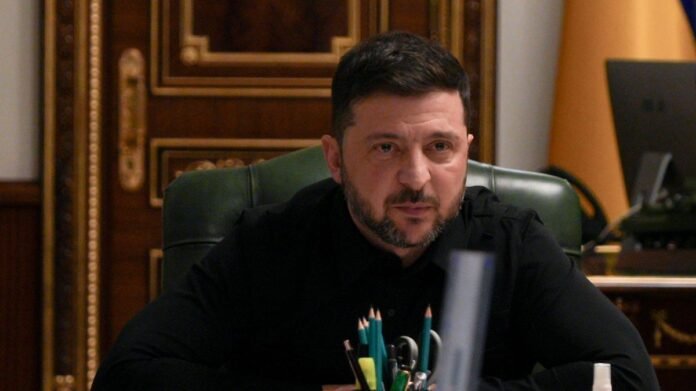
Meanwhile, Ukrainian President Volodymyr Zelensky disclosed that Russia has amassed a significant military presence of around 170,000 troops in eastern Donetsk, with plans to capture the strategic stronghold of Pokroksk for further military advancements into Ukraine.
Recent drone attacks by Ukrainian forces targeted a petrochemical plant deep inside Russia, causing damage to critical infrastructure. These strikes have been part of Kyiv’s efforts to cripple Moscow’s military capabilities by targeting key facilities such as refineries and logistical installations.
Amidst these developments, Ukraine has requested long-range weapons, including Tomahawk missiles, from the US to counter Russia’s escalating air strikes. However, US President Donald Trump has expressed reservations about providing such weaponry, preferring to focus on mediating a peace agreement between the conflicting parties.
The conflict has also seen Ukraine deploying new missile technologies, such as the Flamingo and Ruta missiles, in combat operations. These advancements aim to strengthen Ukraine’s offensive capabilities against Russian aggression.
The ongoing war, initiated by Russia’s invasion in February 2022, has witnessed intense fighting and shifting alliances. Trump’s wavering support for Ukraine and diplomatic engagements with Putin further complicate the situation, raising concerns about the conflict’s resolution and regional stability.