
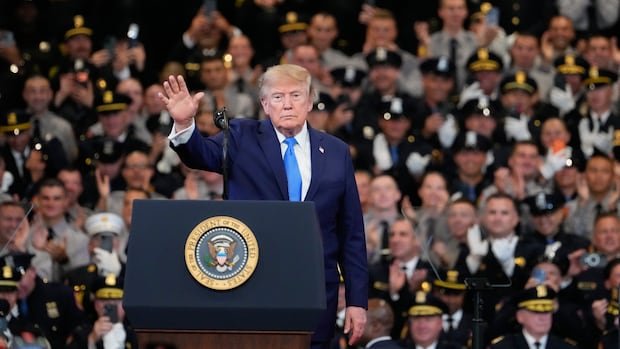


U.S. President Donald Trump encouraged Americans to embrace slightly elevated gasoline prices as a measure to prevent Iran from acquiring nuclear weapons. He also mentioned plans to designate the Strait of Hormuz as U.S territory. This stance presents a political challenge for Trump as increased fuel costs clash with his commitment to lowering energy expenses, with Democrats aiming to leverage the economic repercussions of potential war with Iran in the upcoming November midterm elections.
During a speech in Garden City, N.Y., Trump emphasized that the marginal increase in gasoline expenses was a necessary sacrifice to prevent a “very evil country” from obtaining nuclear capabilities. He asserted that the actions taken by the U.S. were beneficial not only for the nation but also for global security, reiterating his unwavering stance against Iran.
Approximately 20% of worldwide oil and LNG shipments typically traverse the vital Strait of Hormuz, causing oil prices to surge due to the risk of prolonged disruptions. Trump hinted at declaring the Strait as U.S. territory post the defeat of Iran, heightening tensions over the strategic waterway. The seriousness of this statement and whether it reflects a new policy direction remain unclear.
In response to Trump’s statements, Kazem Gharibabadi, Iran’s deputy foreign minister, dismissed the notion of the U.S. taking control of the strait, emphasizing that Iran held the authority to open or close it. Trump’s rhetoric coincides with the ongoing significance of the Strait of Hormuz in global energy markets, as evidenced by the recent rise in oil prices, with Brent crude nearing $90 a barrel and U.S. gasoline prices approaching $4 per gallon.