
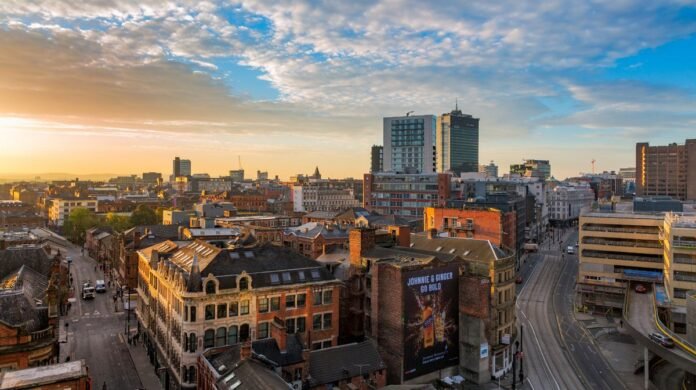


Mayors will soon have the authority to implement a fresh tourist tax on overnight accommodations. This initiative, announced by the Government, will empower local leaders to levy a “modest charge” on visitors staying in various lodging establishments such as hotels, bed and breakfasts, guest houses, and holiday rentals. Notably, similar regulations are already in place in prominent cities like New York, Paris, and Milan.
The objective behind this move is to enable mayors to generate additional funds for local initiatives, including improvements in transportation and infrastructure. The proposal received positive feedback from influential figures like Andy Burnham from Greater Manchester and Sir Sadiq Khan, the Mayor of London. However, leaders within the hospitality industry criticized the measure, labeling it as a detrimental “holiday tax” that would inevitably be transferred to consumers.
This development coincides with Rachel Reeves’ upcoming Budget presentation, where she is expected to outline strategies for taxation and expenditure to address budgetary shortfalls. Steve Reed, the Local Government Secretary, emphasized the significance of leveraging tourist influx to support local development efforts and economic growth in England’s cities and regions.
Regional leaders, including Sir Sadiq, expressed enthusiasm for the new levy authority, citing its potential to bolster London’s economy and solidify its standing as a global tourism and business hub. Meanwhile, Mr. Burnham highlighted the substantial economic contribution made by nearly two million annual visitors to Greater Manchester, emphasizing the importance of investing in essential infrastructure to enhance visitor experiences.
On the other hand, Kate Nicholls, the chief of UKHospitality, criticized the Government’s decision, denouncing it as a detrimental shift that would burden consumers with additional costs. She warned that the proposed tax could inflate travel expenses for UK residents and visitors, potentially elevating the overall tax burden to 27%, positioning the UK among Europe’s highest tax-rate destinations.
The implementation details of the tourist tax proposal will undergo a consultation phase until February 18 to gather feedback and insights from stakeholders and the public.