
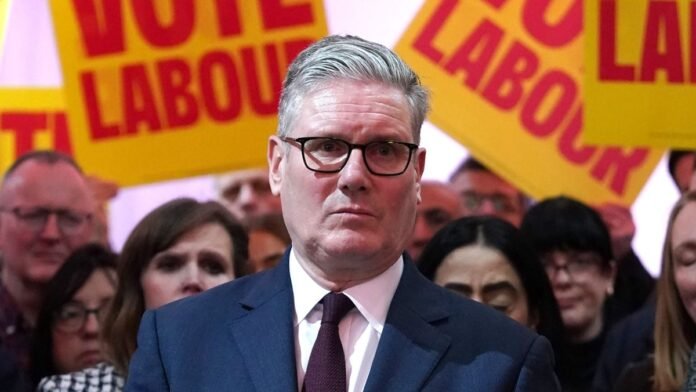


British politics has been reshaped by the recent landslide victory of the Greens in a significant UK Parliamentary byelection. The insurgent party, led by former Lib Dem actor Zack Polanski, shifted its focus to emphasize socialism over environmental issues, surpassing Labour in the Gorton and Denton constituencies. This victory marked a notable change as the Prime Minister’s party landed in third place behind the Greens and Reform.
Labour is now facing introspection as it grapples with the aftermath of the election, realizing the need to adopt a more assertive stance on social justice issues. The defeat has been a blow to Keir Starmer, with strategic missteps hindering the party’s connection with voters. Deputy Leader Angela Rayner emphasized the critical need for reflection and adaptation to avoid further setbacks.
In addition to the Greens’ triumph, the byelection also showcased the rejection of figures like Nigel Farage and the decline of Reform UK, signaling a shift towards progressive values. The combined support for Labour and the Greens significantly outweighed that of right-wing factions, indicating a preference for left-leaning policies. The outcome highlighted the impact of tactical voting to prevent Reform UK from gaining ground.
The electorate’s choice of hope over negativity in Gorton and Denton was a positive development, dismissing unfounded claims reminiscent of controversial election disputes. The Conservative party’s marginal performance, failing to retain its deposit, underscored its diminishing relevance in the political landscape. While the Greens’ success may be seen as a fleeting phenomenon, the potential for a resurgence of Labour or the continued growth of the Greens remains plausible.
The evolving dynamics in British politics suggest a departure from traditional party loyalties, opening up opportunities for transformation and renewal. The prospect of Labour rejuvenating under new leadership or the Greens expanding their influence poses a challenge to established norms. Meanwhile, the future of Reform UK and its aspirations for power face uncertainty amidst changing political tides.