
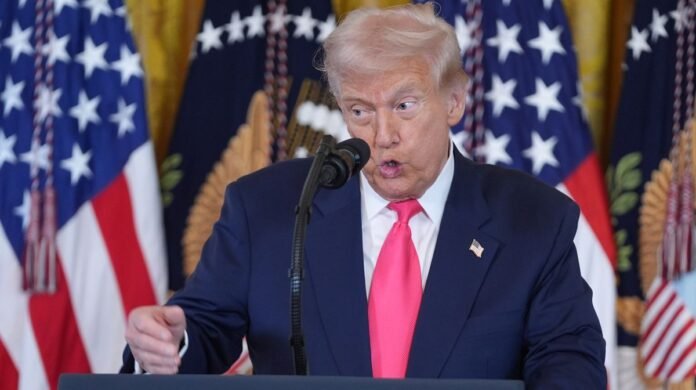


This past week witnessed a relentless onslaught on the BBC’s credibility and honesty by individuals who lack trustworthiness themselves. Boris Johnson criticized the BBC for allegedly fabricating a clip of Donald Trump’s speech, despite his own history of dishonesty. Nigel Farage accused the BBC of left-wing bias during the Brexit referendum, despite the network’s efforts to maintain impartiality. Kelvin MacKenzie, a former Sun editor, questioned the integrity of BBC journalism, despite his own involvement in perpetuating falsehoods. Donald Trump even threatened to sue the BBC for misrepresenting his claims about the US election, despite his track record of spreading lies.
Critics, including those with right-wing affiliations, have targeted the BBC, one of the world’s most respected news organizations. While the BBC is not flawless and should address mistakes promptly, its reputation for impartiality remains critical in an era where misinformation spreads easily through various platforms. The BBC’s wide-ranging content, from dramas to documentaries, contributes significantly to its commercial success and global viewership. The network’s commitment to asking tough questions, even of its own leadership, underscores its dedication to transparency.
Despite facing criticisms, the BBC remains an essential pillar of trustworthy journalism, especially in a landscape dominated by misinformation and biased reporting. The possibility of political shifts threatening the BBC’s existence highlights the importance of preserving a reputable and independent media outlet for the benefit of society at large.