
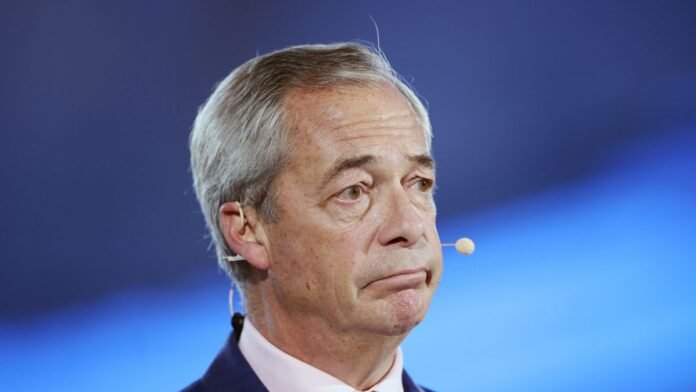


Nigel Farage faces criticism for potentially sparking a trade conflict with the European Union by proposing to halt welfare payments for EU citizens residing in the UK. The leader of Reform UK is expected to announce this decision during a press briefing, claiming it would result in savings of approximately £6 billion. However, this action would contradict the agreements made in the Brexit deal by the Conservative Party, which grant certain benefits to EU citizens with settled status.
Labour has warned that such a move could escalate tensions between the UK and Brussels, leading to increased prices for British consumers. Farage defended his stance by emphasizing cost-cutting measures that prioritize British nationals over foreign individuals, asserting that tax increases would not be necessary under his proposals.
Reform UK outlined a transitional period, offering EU citizens currently on Universal Credit a three-month notice before terminating their benefits. The party suggested that Farage would seek to renegotiate the benefits aspect of the Brexit agreement, a move likely to face resistance from European capitals.
In response, a Labour spokesperson criticized Farage’s financial projections as unrealistic, arguing that his actions would burden British taxpayers. Labour accused Farage of jeopardizing trade relations with Europe, which could harm British workers and businesses seeking to engage with the EU.
Reform UK defended its comprehensive £25 billion proposals, claiming that these initiatives would negate the need for Chancellor Rachel Reeves to raise taxes in the upcoming Budget. Among the suggested measures is increasing the immigration health surcharge from £1,035 to £2,718 annually, with the aim of generating £5 billion in revenue.
As the Chancellor prepares to unveil the Budget on November 26 and address a significant budget deficit, discussions around potential tax hikes have emerged. Despite initial concerns of a £30-40 billion shortfall, revised estimates from the Office for Budget Responsibility suggest a more manageable gap of around £20 billion.
Please note that Reach and its affiliates use cookies and other identifiers to enhance site functionality, analyze usage patterns, and deliver personalized content. You can adjust your data sharing preferences by selecting the “Do Not Sell or Share my Data” option at the bottom of the webpage. Your consent to the use of cookies and our privacy policies is implied by your continued use of our services.