


Understanding the fine line of American tolerance, Donald Trump has always been aware that while cruelty may be acceptable under certain circumstances, the public strongly rejects the killing of citizens by the state. The recent shooting of Alex Pretti by Immigration and Customs Enforcement (ICE) agents in Minneapolis has caused shockwaves not only nationwide but also within the White House. Pretti, an ICE nurse, was fatally shot about 10 times by agents while protesting ICE’s presence in the city.
Initially, the administration portrayed Pretti as a “domestic terrorist” who posed a threat, justifying the shooting. However, video evidence emerged showing Pretti holding a camera, with no signs of aggression or provocation towards the agents. This revelation led to a swift shift in the narrative, prompting the administration to reevaluate its position. Senior officials, including Greg Bovino, a key figure in ICE, faced repercussions as the gravity of the situation became apparent.
The White House’s response evolved into a more cautious tone, with Press Secretary Karoline Leavitt refraining from endorsing previous inflammatory statements made by administration figures. The incident raised concerns as it involved the fatal shooting of a US citizen, Alex Pretti, who was exercising his rights under Minnesota law. The subsequent turmoil within the administration highlighted the challenges posed by the immigration crackdown and the need for damage control.
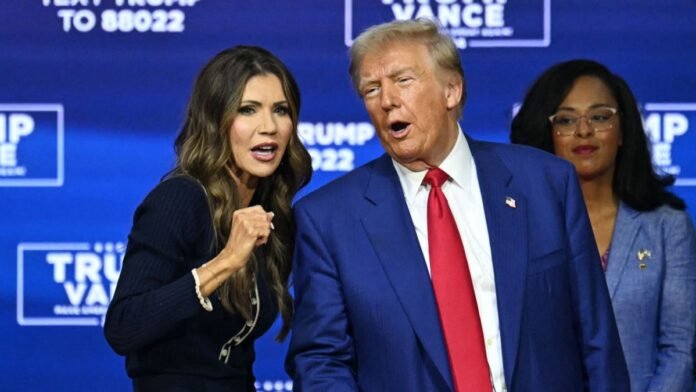
Amidst the unfolding crisis, a high-level meeting took place in the Oval Office, involving Trump, Homeland Security Secretary Kristi Noem, and other officials. The reshuffling of personnel, including the demotion of Border Patrol commander Greg Bovino, indicated a shift in strategy and accountability within the administration. Speculation arose regarding the future of key individuals like Noem and her associate Corey Lewandowski, as the fallout from the incident reverberated through the corridors of power.
Internally, tensions escalated as concerns grew over the handling of immigration enforcement and the public image of ICE under Noem’s leadership. The administration faced criticism for its response to the incident and the broader implications for its immigration policies. Trump’s reliance on instinct and public sentiment underscored the seriousness of the situation, prompting a reassessment of the administration’s approach.
As the administration grappled with the aftermath of the shooting, questions arose about accountability, transparency, and the future of key officials involved. The incident served as a stark reminder of the challenges posed by aggressive enforcement tactics and the need to balance security with respect for civil liberties.