
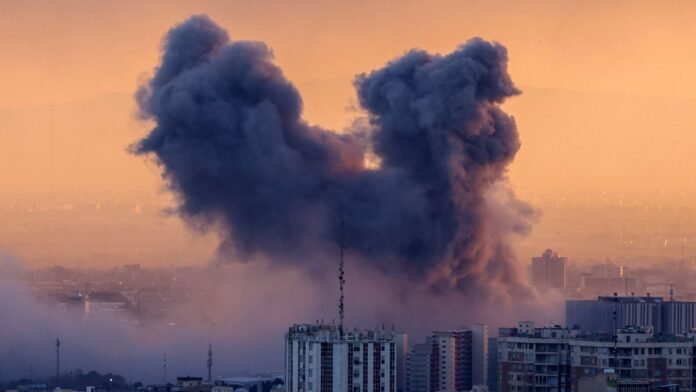


The ongoing conflict between the US, Israel, and Iran has entered a critical phase with all parties carefully assessing their arsenal of missiles, bombs, drones, and defensive weaponry. Iran is pursuing a strategy of attrition, aiming to prolong the conflict regardless of the escalating casualties, which have already surpassed 1,000.
In addition to targeting lives, Iran is also seeking to disrupt the economies of neighboring Gulf States to gain leverage over them. The country’s limited supply of missiles, rockets, and drones, while not highly advanced, poses challenges for defense forces. For example, combatting low-flying, slow drones may require costly missile interceptions, making sustainability an issue.
Recent engagements involving UK Typhoons and F-35B jets in Jordan have demonstrated successful drone interceptions using cost-effective methods like attack helicopters equipped with machine guns. Both the US and Israel face constraints with finite defensive missiles, necessitating strategic resource management as the conflict progresses.
Iran’s diminishing missile stockpile underscores its efforts to pace its military actions. While Western officials anticipate Iran’s continued missile strikes for several days, there are concerns that the conflict could extend into weeks, potentially leading to asymmetric warfare tactics by the Islamic Revolutionary Guard Corps.
The regime’s objective appears to outlast the interceptor missile capabilities of the US, Israel, and their allies, forcing a halt to the conflict. Despite potential claims of victory by all parties involved, the toll on human life, the global economy, and world stability remains significant. Former Israeli military intelligence operative Danny Citrinowicz emphasized Iran’s calculated approach to sustaining its military operations while targeting energy facilities in neighboring countries to test interceptor missile resilience.
The evolving conflict highlights the intricate balance of power and resources as each side navigates the dynamics of warfare. The implications of a prolonged engagement extend beyond military objectives, impacting geopolitical relationships and regional stability.