
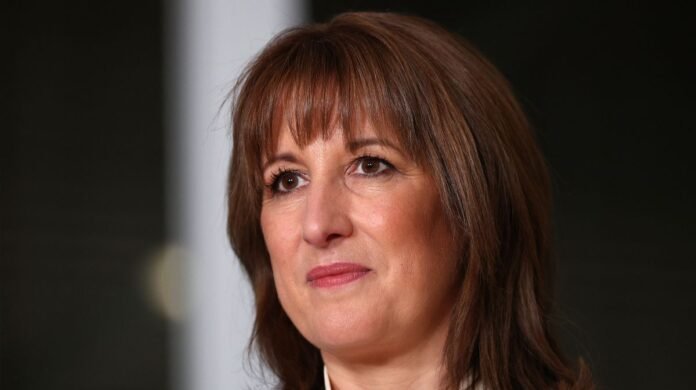


Downing Street has refuted claims that Chancellor Rachel Reeves provided misleading information to the public and financial markets regarding the extent of the deficit in the public finances.
Earlier this month, Rachel Reeves hinted at the possibility of raising income tax in the Budget to address the estimated £20 billion shortfall. However, this proposal was later abandoned, reportedly due to more optimistic forecasts from the Office for Budget Responsibility (OBR).
Nevertheless, the OBR disclosed in a recently published letter that they had informed Reeves in September that the deficit would be significantly smaller. By October 31, the OBR had informed the Chancellor that the deficit had been eliminated, resulting in a slight surplus.
The OBR, in a communication to MPs on the Treasury Select Committee, clarified that no adjustments were made to their forecast before October 31. Despite this, Reeves delivered a speech on November 4 that was interpreted as a signal for a potential income tax increase.
Subsequently, news leaked to the Financial Times the following week that Reeves had decided against the tax hike.
When asked if Reeves had misled the public, the Prime Minister’s spokesperson responded, “I disagree.” The spokesperson highlighted that Reeves had transparently addressed the country’s challenges and decisions during the Budget speech.
Tensions have risen between the OBR and the Treasury, notably when the OBR accidentally released key Budget measures before Reeves’s speech.
A Treasury representative emphasized their commitment to budgetary security and refrained from commenting on the OBR’s processes. They stressed the importance of maintaining privacy in Treasury-OBR policy discussions and welcomed the OBR’s assurance that such incidents would not become routine practice.