
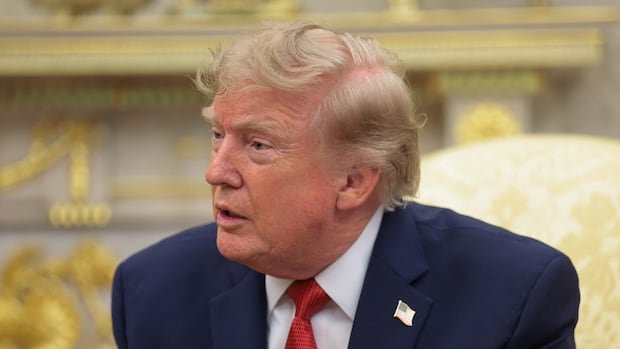


U.S. President Donald Trump made a late announcement on Tuesday, revealing a temporary halt to imposing 50% tariffs on various Canadian goods for three days. This decision was shared just before the tariffs were set to come into effect. Initially, Trump mentioned the postponement due to a potential deal between Canada and the U.S., pending final documentation.
A subsequent statement from the White House clarified that the pause was in the public interest following commitments from Canadian negotiators to address the trade issues cited by the Trump administration. Prime Minister Mark Carney also acknowledged the progress made but emphasized the need for further work while focusing on strengthening Canada’s economy.
The looming tariffs, affecting a wide range of products valued at over $28 billion, were originally set to start at 12:01 a.m. ET on Wednesday. The delay offers a reprieve for companies on both sides of the border, alleviating concerns about the potential adverse effects on small businesses, supply chains, and consumer costs.
While negotiations continue, the long-term avoidance of tariffs remains uncertain. Trump did not confirm whether a finalized deal would lead to the permanent cancellation of the levies. Discussions have centered on contentious issues like auto tariffs, with sources indicating that disagreements persist, particularly regarding tariffs on Canadian autos destined for the U.S.
The ongoing talks between Canadian and American representatives have been described as intense and crucial. The negotiations aim to address various trade matters, including market access, economic commitments, and digital trade alignment. Both sides are striving to find common ground to avoid further escalations in trade tensions.
As the deadline approaches, the focus remains on bridging the gaps in negotiations to secure a mutually beneficial agreement. The potential deal’s specifics, particularly concerning tariffs and trade concessions, continue to be key points of contention. The intricacies of the discussions underline the complexities involved in reaching a consensus that satisfies both parties’ interests.