
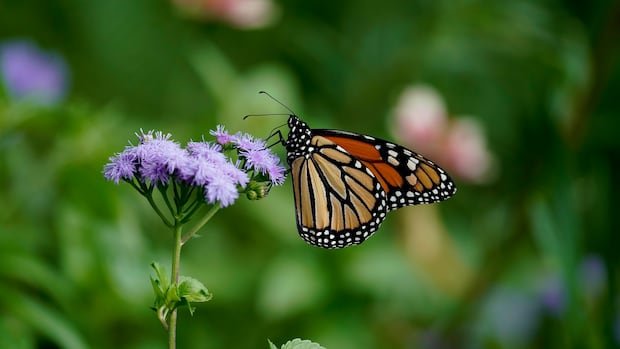


MaryAnn Lepp has been observing a significant increase in monarch butterflies undergoing their transformative stages in her garden, with 20 caterpillars feeding on her swamp milkweed in just one day this week. This surge in butterfly activity is being witnessed by numerous Canadian monarch enthusiasts, who are noticing a rise in backyard milkweed patches thriving due to the wet and hot weather conditions in parts of the Prairie region this summer.
The uptick in monarch activity, including sightings of caterpillars, chrysalises, and butterflies, is being documented enthusiastically by butterfly enthusiasts in social media groups like Manitoba Monarch Mission. While the exact reason for this boom remains uncertain, experts suggest that the surge is a positive sign for the federally endangered monarch butterfly species, known for its remarkable annual migration between Canada and Mexico.
Marika Olynyk, curator of the Living Prairie Museum in Winnipeg, noted a notable increase in monarch sightings this year. The museum, which recently concluded its annual monarch festival, hosts a diverse array of native plants that attract pollinators, including various milkweed species. Monarch caterpillars exclusively feed on milkweed leaves, emphasizing the importance of preserving these plants.
Despite efforts by individuals like Lepp to plant milkweed and native wildflowers, these species are still not as abundant as they once were due to habitat loss caused by the conversion of native grasslands into farmland. Olynyk stressed that habitat loss remains the primary threat to monarch butterflies, emphasizing the urgent need for conservation efforts to protect these iconic insects.
In response to the declining monarch population, there have been calls to elevate their conservation status from “special concern” to “endangered.” The Committee on the Status of Endangered Wildlife in Canada officially listed the monarch as endangered in 2016, leading to legal protections against harming or capturing monarchs on federal lands.
While initiatives like breeding and releasing programs are aiding in the conservation of endangered butterflies like the Poweshiek skipperling, challenges persist in ensuring the survival of these fragile species. Conservationists are cautiously optimistic about recent sightings of Poweshiek skipperlings in new areas, signaling potential progress in their recovery efforts.
As monarch enthusiasts and conservationists continue their efforts to protect these vital pollinators, the importance of preserving natural habitats and fostering biodiversity remains a shared goal. Through collective action and a commitment to conservation, individuals like Lepp are playing a crucial role in safeguarding the future of monarch butterflies and other endangered species.