
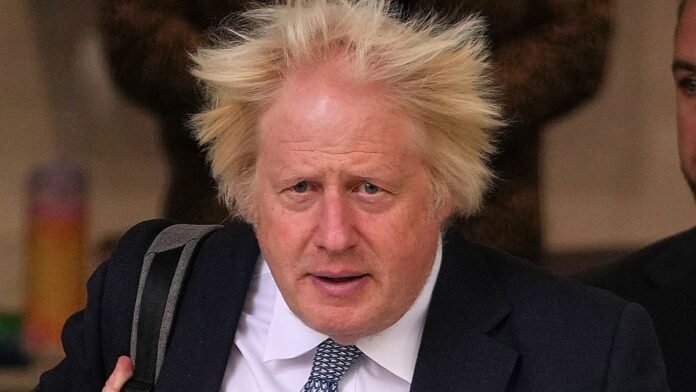


Boris Johnson’s political future remains uncertain following the release of the Covid Inquiry report, according to Michael Gove. Gove, a prominent figure in the Conservative Party and a former member of Johnson’s cabinet during the pandemic, acknowledged the party’s mishandling of the crisis, expressing regret for the inadequate response.
Gove recognized that the report’s findings would understandably evoke anger among the families of those who lost loved ones during the crisis. While admitting that mistakes were made and that the actions taken were far from perfect, Gove defended Johnson’s leadership approach, emphasizing the difficult balance between safeguarding public health and preserving individual liberties.
Regarding the report’s assertion that 23,000 lives could have been saved with swifter action by the government, Gove dismissed the notion that Johnson’s career should be terminated as a result. He highlighted Johnson’s determination, which he credited for driving the successful vaccine rollout despite acknowledging the gravity of the errors made.
Gove expressed remorse to those affected by the pandemic on behalf of the government and the Conservative Party, recognizing the grief and frustration felt by many. He disagreed with claims of a toxic work environment under Johnson and emphasized the challenging nature of decision-making during a crisis, noting that government operations cannot be compared to a fictional novel.
The Covid Inquiry report highlighted systemic failures within the government, attributing a loss of 23,000 lives to a lack of seriousness in the early stages of the pandemic. The report also criticized Johnson’s optimism and the behavior of key officials, including Health Secretary Matt Hancock and advisor Dominic Cummings, suggesting a significant impact on the government’s response.
The report indicated missed opportunities for earlier interventions, noting that delays in implementing preventive measures necessitated subsequent lockdowns. It emphasized the critical need for prompt action and condemned the lack of urgency displayed by the government in recognizing the severity of the threat posed by the virus.
The report further criticized the responses of all four UK governments, highlighting a lack of preparedness and urgency in addressing the crisis. It pointed out missed opportunities for intervention and stressed the importance of timely decision-making to mitigate the impact of the pandemic.
Overall, the report underscored the need for swift and decisive action in responding to public health crises to prevent avoidable loss of life.