
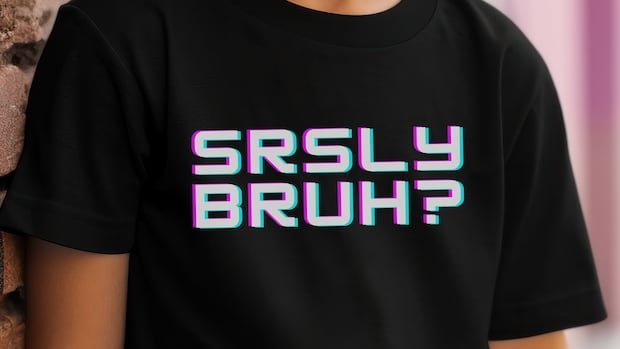


When Sam Joseph Karam received an email from online retailer Etsy about 11 of his T-shirt designs featuring the term “bruh” being removed for a trademark violation, he became suspicious. Karam, the owner of U.S.-based apparel company Customized Designs, noticed the unusual number of takedowns and the subsequent loss of his Star Seller badge, leading to a decline in sales.
Etsy informed Karam that the complaint was filed by Malik Yawar Abbas, the holder of the Canadian trademark for “bruh.” Karam and other Etsy sellers reported similar takedowns following complaints by Abbas. Karam criticized Abbas, accusing him of trademark squatting to profit from licensing the term rather than producing goods.
The Canadian Intellectual Property Office issued a trademark for “bruh” related to clothing in July 2025, with another trademark granted to Abbas for restaurant services. After Karam’s listings were removed, he discovered Abbas’s website promoting the trademark and offering licensing options for its use on various products.
Abbas demanded $1,000 from Karam to withdraw the complaints, which Karam rejected, labeling the situation as trademark squatting. Abbas later retracted the complaints, but Karam is pursuing legal action to challenge the trademark’s validity based on bad faith.
According to intellectual property law expert Carys Craig, Canadian trademark laws added in 2019 allow trademarks filed in bad faith to be invalidated. The use of the “bruh” trademark by Abbas and the takedown requests may potentially meet the criteria for bad faith.
Trademarking a word doesn’t equate to absolute ownership, as it depends on the context and differentiation of brands. Legal experts suggest that the “bruh” apparel on Etsy might not necessarily infringe on the trademark based on its usage. Etsy’s policy of not allowing appeals poses challenges for sellers affected by trademark takedowns.
Cases of trademark squatting or over-enforcement may go unnoticed due to the high costs involved. Tighter regulations and improved appeal processes for trademark disputes could prevent such situations and protect small businesses from unfair practices in trademark enforcement.