


A group of five former chairs of a committee providing advice to the federal government on endangered species has released an open letter expressing worries about potential modifications to the Species At Risk Act. They argue that these changes could result in the deliberate extinction of endangered species in Canada. The legislation currently safeguards over 600 species, but proposed alterations could significantly weaken the act’s effectiveness, as indicated in a recent press release issued by the scientists.
The former chairs, who previously led the Committee on the Status of Endangered Wildlife in Canada (COSEWIC), forwarded the letter to the federal government last month. COSEWIC is an independent advisory body responsible for evaluating species at risk and recommending their inclusion under endangered species legislation.
In a bid to prevent Canadians from unwittingly contributing to the extinction of Canadian wildlife species, the scientists decided to make their concerns public, emphasizing the critical nature of the issue.
The letter coincides with the government’s contemplation of broad environmental regulatory revisions, including amendments to the Species At Risk Act that would expedite the approval and construction of significant projects.
Implications of ‘jeopardy tests’
In recent discussions, the government proposed allowing the endorsement of major projects before assessment and exempting specific projects from the “jeopardy test” mandated by the law if they are deemed to serve the national interest.
David Green, a biologist and professor emeritus at McGill University and one of the former COSEWIC chairs involved in the letter, criticized these potential changes, describing them as excessive and unwarranted.
The jeopardy tests are crucial in preventing Ottawa from authorizing projects that could harm species listed under the act and their vital habitats, thereby jeopardizing their survival, noted Green. These tests play a pivotal role in safeguarding endangered species and their habitats by acting as the final barrier for protection.
The proposed amendments would grant the government the authority to establish “federal economic zones” for pre-approving industrial development. Additionally, the Cabinet could preemptively approve pipelines before determining their routes and exempt them from federal impact assessments.
Under Bill C-5, projects deemed in the national interest can have their approval processes, including environmental assessments, expedited.
-
Carney Government Slows Down Environmental Regulation Changes After Public Feedback
-
Experts Warn New West Coast Pipeline Poses Threat to Endangered Whales
The letter draws attention to a proposed West Coast oil pipeline, currently under consideration as a project of national interest. This pipeline, intended to transport around one million barrels of crude oil daily over approximately 1,250 kilometers using a route similar to the existing Trans Mountain pipeline, is a cause for concern according to the Alberta government.
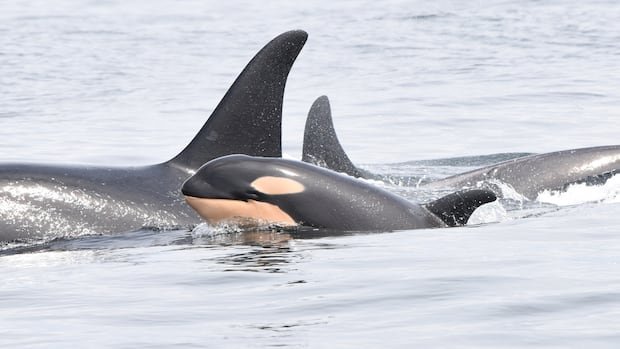
This project could have severe repercussions on multiple species protected under the act, such as the southern resident killer whale, also known as Orcas, and the Chinook salmon, the primary food source for the whales, which is currently being considered for listing, as per the scientists.
Both the species and their critical habitats are located in the Salish Sea, a network of coastal waterways in southern British Columbia, where the proposed pipeline would terminate.