
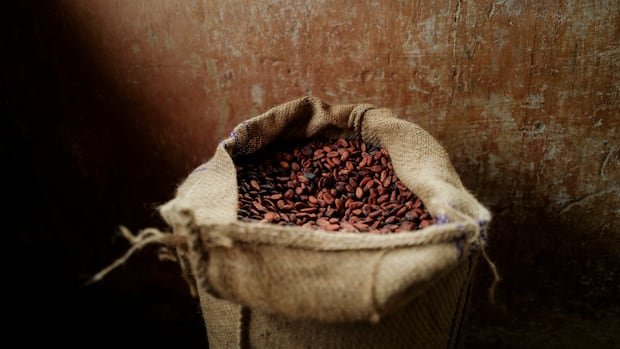


As Halloween approaches, grocery stores are stocking up on brightly packaged chocolates. However, a recent peer-reviewed study sheds light on an overlooked threat to cocoa production. Anna Lea Albright, the lead researcher at Harvard University, highlighted the significant impact of heavy rainfall, rather than heat or drought, on cocoa cultivation.
The study focused on Ghana, the world’s second-largest cocoa producer, revealing that extreme rainfall during flowering stages can severely limit cocoa yields. This is a more critical risk factor than temperature fluctuations. The excess moisture can harm delicate cocoa flowers and pods, leading to lower production. Additionally, heavy rain increases the spread of fungal infections like black pod disease, further affecting cocoa output.
The researchers also noted a clear climate signal linking warmer air to increased rainfall intensity. While El Niño events in West Africa may reduce extreme rain risks, they elevate the likelihood of drought, creating further challenges for cocoa farmers. Leslie Agyare, founder of Three Mountains Cocoa in Ghana, emphasized the difficulties posed by heavy rainfall, hindering harvesting activities and impacting farmers’ livelihoods.
Apart from climatic risks, the study highlighted non-climactic threats such as aging cocoa trees and illegal mining activities, which compound the challenges faced by cocoa producers. Experts suggest interventions like fungicide use and improved drainage systems to mitigate the effects of extreme rainfall on cocoa crops.
In light of these challenges, cocoa farming in West Africa is becoming less attractive and more arduous. Sophia Carodenuto, an environmental governance expert, raises concerns about the future viability of cocoa farming in the region. She notes a growing trend towards cocoa-free chocolate alternatives, driven by the need for a more resilient supply chain. Companies like Nestlé are already exploring cocoa-free chocolate options, such as ChoViva, which uses sunflower seeds as a substitute for cocoa.
Despite fluctuating cocoa prices and market innovations, the study underscores the need for sustainable solutions to safeguard cocoa production and the livelihoods of smallholder farmers in West Africa.