
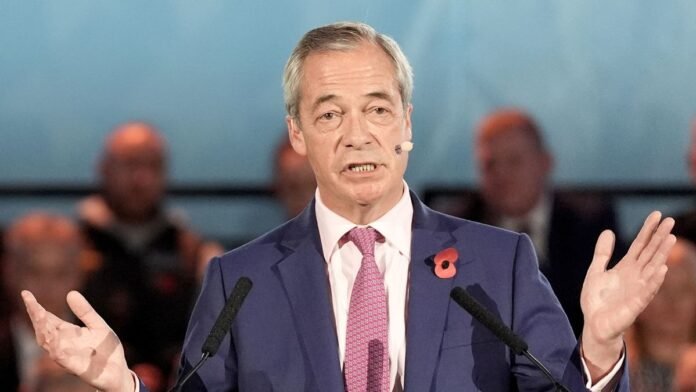


Nigel Farage is under fire for potentially sparking a trade conflict with the European Union by proposing to cut off European citizens from receiving benefits in the UK.
During a recent press briefing, the Reform UK leader unveiled plans to halt Universal Credit payments for EU nationals, projecting savings of approximately £6 billion. However, this move contradicts the Brexit agreement negotiated by the Conservative Party, which grants EU settled status individuals access to specific benefits, setting the stage for a contentious dispute with the EU.
Farage acknowledged his lack of discussions with EU officials, attributing it to his low popularity in Brussels. He refrained from commenting on whether he had assessed the repercussions of a trade war.
In response to Farage’s statements, Anna Turley MP, Chair of the Labour Party, criticized his stance, warning of potential trade conflicts that could raise prices for consumers and reverse efforts to lower prices through trade agreements.
Farage emphasized that local councils should limit council tax hikes to inflation rates, although he acknowledged the autonomy of councils in setting tax levels. He also addressed remarks made by Home Secretary Shabana Mahmood, expressing disagreement with her dismissive attitude towards Reform UK’s proposals.
Touching on asylum policy, Farage indicated a shared perspective with the government’s reform agenda, suggesting that Labour’s recent initiatives were influenced by the fear of losing support to Reform UK.
Reform UK’s policy head Zia Yusuf advocated for cost-saving measures in the benefits system, emphasizing the exclusion of foreign nationals, which he claimed could save the Treasury billions. The party proposed a three-month notice period for EU citizens with settled status before terminating their benefits.
Despite Farage’s optimism for a better deal with the EU, concerns remain over the potential fallout from disregarding the Brexit treaty, including the likelihood of a trade dispute with the EU and subsequent price hikes in UK stores.
As Farage prepares for a press conference amidst market concerns, his party’s deputy leader faces backlash for contentious remarks regarding children with special needs, drawing criticism from experts for misrepresenting the education system and making unfounded claims.
Labour party officials argue that Farage’s proposals could escalate tensions between the UK and the EU, resulting in adverse economic consequences for British consumers.