
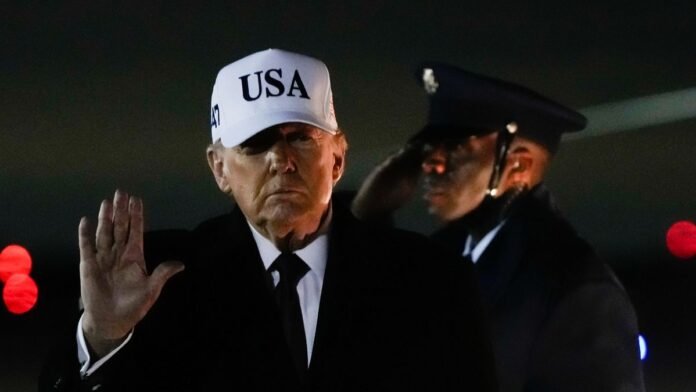


The decision to abort potential military strikes against Iran by US President Donald Trump seems to have stemmed from doubts about the feasibility of achieving the intended objectives through the attack. While the possibility of future strikes remains, they may be delayed pending updated intelligence from within Iran, including concerns about potential retaliatory actions from Iran-backed groups like Hezbollah in Lebanon, the Houthis in Yemen, and pro-Tehran militias in Iraq, which could pose risks to Israel.
Attempting to destabilize the regime and support ongoing protests presents significant challenges, particularly in targeting key facilities of the Islamic Revolutionary Guard Corps amid heightened security measures and difficulty in tracking regime leaders’ movements. The complexities of the situation raise doubts about the effectiveness of past intelligence strategies in a more restricted environment with increased security measures and limited access to real-time information on protests.
Despite uncertainties surrounding the ongoing protests and the regime’s future, the exposure and dismantling of opposition cells in Iran prior to the recent unrest could impact the trajectory of the revolution without external assistance. Trump’s acceptance of assurances from the regime regarding the absence of executions, following his threats, may reflect a cautious approach, although relying solely on the regime’s promises could be viewed as overly optimistic.
Efforts to gather accurate information on the ground in Iran are underway, suggesting a potential US response once a clearer picture emerges. Trump’s firm stance on addressing escalating violence underscores the seriousness of the situation, with implications for his credibility should reports of significant casualties emerge. Continued vigilance and decisive action may be necessary to address the evolving dynamics in Iran and potential implications for regional stability.