
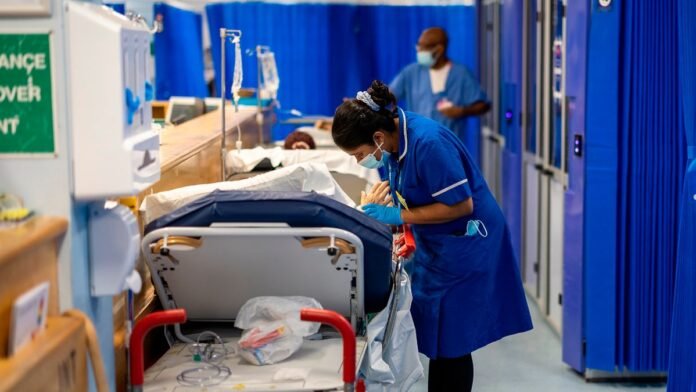


The NHS waiting list is declining once again, as Health Secretary Wes Streeting expresses optimism about the health service’s progress towards recovery. In September, the backlog in England comprised 7.39 million appointments for 6.24 million patients, marking a decrease of 15,845 appointments from the previous month and 230,000 fewer than in July 2024. Although the waiting list for planned treatments saw increases in June, July, and August, Streeting noted that waiting lists have decreased for the first time in 15 years, signaling a positive trend for the NHS.
Recent data reveals that the NHS is currently experiencing its highest activity levels heading into winter, amidst upcoming doctor strikes and an anticipated rise in flu cases. The waiting list in England reached 7.6 million when Labour came into power in 2024, rising steadily from 2.5 million in 2010 when the Tories took office. NHS England reported record A&E attendances and ambulance incidents in October, along with the delivery of 14.4 million flu vaccines this autumn, indicating heightened demand and pressure on healthcare services.
As resident doctors gear up for a five-day strike, NHS national medical director Professor Meghana Pandit acknowledged the challenges faced by NHS staff during the busy winter season. With early peaking flu cases and impending industrial action, Pandit emphasized the importance of public cooperation in receiving necessary vaccinations and seeking appropriate medical assistance when needed.
The latest figures highlight a decrease in the number of people waiting over a year for routine hospital treatment in England, with 180,329 individuals awaiting treatment at the end of September. Additionally, there has been a slight increase in patients waiting over 18 months compared to the previous month. Tim Gardner of the Health Foundation emphasized the challenging outlook for the NHS, particularly as it enters a demanding winter period, urging swift resolutions to address the ongoing pressures on healthcare services.
Concerns were raised about cancer treatment targets not being met, with figures showing a decline in the percentage of patients receiving timely diagnosis or treatment within set timeframes. The government and NHS England have set ambitious targets to improve cancer care by 2026, aiming for higher percentages of timely interventions. Meanwhile, the number of patients experiencing prolonged waits in A&E departments has risen, underscoring the strain on emergency care services.
Despite the challenges, Health Secretary Streeting highlighted the government’s efforts to reduce waiting lists and improve patient care through strategic investments and modernization initiatives. The focus remains on enhancing frontline services, cutting unnecessary bureaucracy, and securing long-term funding for the NHS to address the effects of prolonged neglect.