
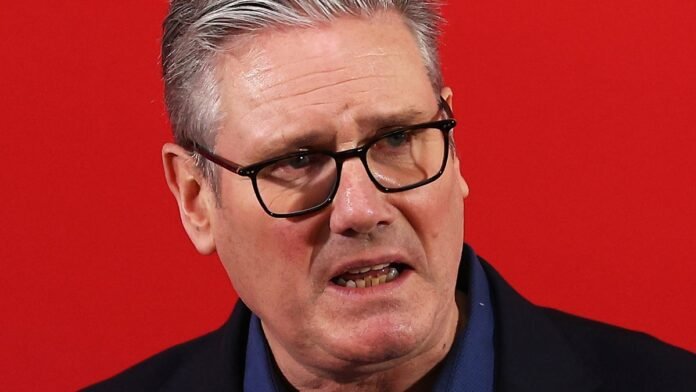


Keir Starmer’s political future appears bleak as he faces mounting challenges and diminishing support. The recent dismissal of No10 chief of staff Morgan McSweeney is seen as a desperate move that is unlikely to salvage Starmer’s position. With his authority and credibility eroded, the Prime Minister is vulnerable, with speculation rife about his potential downfall.
The prospect of Starmer surviving seems increasingly slim, barring a drastic turn of events like a major crisis. The discussion now revolves around when and how his leadership might come to an end, with various scenarios being considered, including Cabinet resignations or a formal challenge within the Labour Party.
While there are debates on the fairness of Starmer’s predicament, the prevailing sentiment is that a change in leadership may be inevitable for the Labour Party. The possibility of a new leader injecting fresh energy and a compelling vision into the party is being contemplated, despite the risks involved in such a transition.
Comparisons are drawn to past political upheavals within Labour and the Conservatives, highlighting the potential benefits and pitfalls of leadership changes. The current discontent within Labour and the disillusionment with Starmer’s leadership suggest a shift may be on the horizon, with various potential successors being discussed.
Starmer’s handling of recent scandals, including the controversial appointment of Peter Mandelson, has further damaged his standing among party members and the public. The unfolding events have raised questions about accountability and the need for a more transparent and effective leadership.
As the political landscape evolves, the focus remains on the future of Labour under a new leader and the challenges that lie ahead. The possibility of a general election following a leadership change adds another layer of complexity to the situation, with the party facing critical decisions in the coming months.