
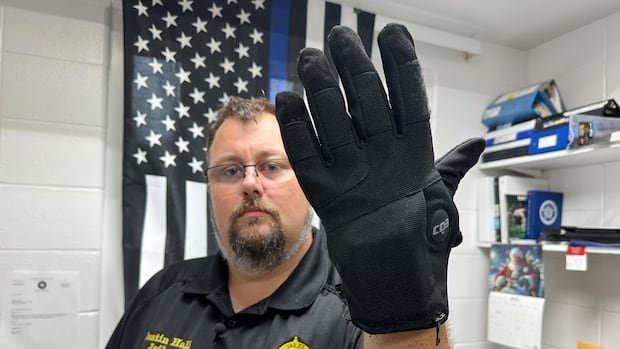


U.S. Immigration and Customs Enforcement (ICE) has granted a $16.7 million US contract to procure 6,000 pairs of gloves capable of administering painful electric shocks. The purpose is for officers to manage detainees and demonstrators who resist.
Despite objections from civil rights advocates and Democratic lawmakers, ICE proceeded with the acquisition. Critics expressed concerns over the potential misuse of the gloves by ICE officers. The agency’s intention to purchase “conductive distraction and de-escalation devices” was made public through a recent notice.
The contract, awarded to Compliant Technologies LLC, a Kentucky-based manufacturer, involves the procurement of 6,000 devices and related equipment and services over the next six months, as stated in a notice published in a federal database on Thursday.
Critics argue that ICE’s use of force has faced scrutiny and lacked oversight, especially during the enforcement of President Trump’s immigration policies. Incidents involving ICE and Customs and Border Protection (CBP) have resulted in fatalities, including those of protesters.
Following the deaths of American citizens Renee Good and Alex Pretti, ICE has shifted away from high-profile deportation operations in major U.S. cities. Despite recording a high number of arrests in July, data revealed that a significant portion of those arrested were not convicted of crimes or facing charges.
ICE’s notice came shortly after a group of U.S. senators, led by Democrat Catherine Cortez Masto of Nevada, urged the agency to halt the purchase of the gloves. The senators raised concerns about ICE’s capability to responsibly deploy such devices.
The gloves function as regular patrol gloves until activated to deliver electrical shocks, intended to gain compliance from individuals resisting arrest. ICE plans to use them in high-stress situations like arrests, detainee transport, and managing civil disturbances outside detention centers.
The goal is to avoid resorting to more severe force, such as firearms, and maintain control over individuals without causing harm. Despite assurances of adherence to policy, training, and accountability standards, critics remain wary of the risks associated with deploying these devices.
ICE’s parent agency, the Department of Homeland Security, defended the purchase, labeling criticism as an attempt to undermine and endanger officers. The contract is part of a series of no-bid contracts issued by the Trump administration, drawing scrutiny from Democrats for lack of transparency and accountability.