
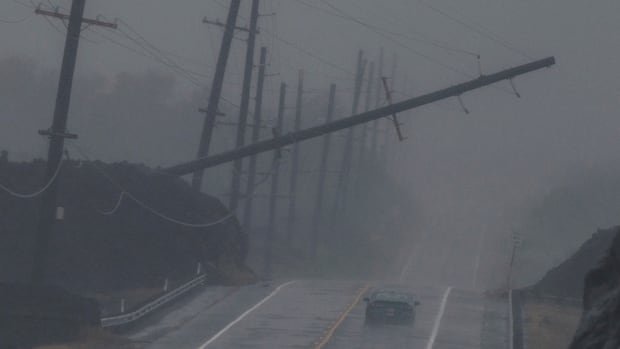


Hurricane Lala weakened to a tropical storm on Sunday after skirting Hawaii without making landfall. The storm brought hurricane-force gusts and heavy rain, reaching nearly one meter in some areas. Flash floods swept occupied homes off their foundations in Na’alehu and Wai’ohinu, leading to a search-and-rescue operation involving Civil Defence, the National Guard, and a coast guard helicopter.
Hawaii County Mayor Kimo Alameda described the challenging conditions with rushing water, debris, and darkness hindering rescue efforts. Tragically, one person died in a vehicle wreck in the South Point area of the Big Island.
Honolulu faced the brunt of the storm with numerous weather-related incidents reported, including downed trees, blown roofs, and power outages. Over 200,000 homes and businesses were without power, with hospitals operating on generators. The storm also triggered powerful waves along the coast.
Although Lala did not make landfall, it continued to pose threats of heavy rain, mudslides, and downed trees. Tropical storm warnings were in effect for multiple islands, with the possibility of destructive flooding and wildfires due to strong winds.
Lala, with sustained winds of 100 km/h, was located west of Honolulu and was moving west-northwest. The storm was expected to maintain its intensity through Monday and could potentially regain hurricane status later in the week.
Areas like the Big Island experienced significant rainfall, prompting precautionary measures such as shelter openings and evacuations. The impact of the storm was severe, causing damage to properties like the Punalu’u Bake Shop.
Residents across the islands remained vigilant, recalling past storms’ devastating effects. Despite the challenges, the state’s preparation and communication during the storm received positive feedback for better coordination and proactive measures taken.