
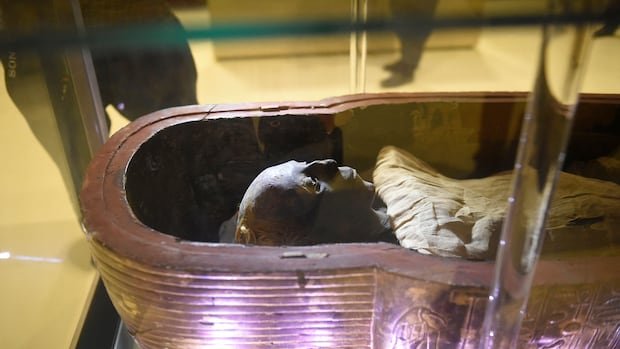


Researchers have identified a growing market for preserved human remains being traded online, posing potential health risks due to the presence of harmful microorganisms. A recent study led by Kirsty Squires and her team analyzed 128 online posts from 2015 to 2025 showcasing the sale of mummified remains from humans and animals.
Squires, a bioarchaeology professor at the University of Staffordshire, highlighted the prevalence of mummified heads, hands, and feet in these online listings. The researchers cautioned that improperly handled mummified body parts can harbor dormant bacteria, fungi, and yeast, potentially leading to health complications.
Safe Handling Procedures
According to Squires, many online images displayed visible signs of deterioration due to inadequate storage conditions. Unlike in museums where mummies are preserved in regulated environments, storing remains in uncontrolled settings can lead to the release of harmful microorganisms into the air.
When conducting research involving human remains, Squires emphasized the importance of wearing protective gear. She noted instances where sellers failed to use gloves, increasing the risk of exposure to airborne microorganisms.
In addition to microbial risks, mummified body parts may also contain traces of toxic substances such as arsenic and mercury from embalming fluids used in the past.
Historical Cases and Concerns
The study did not report specific cases of individuals falling ill from handling online-sold human remains. However, historical incidents, like the deaths of conservation scientists exposed to mould spores in tombs, highlight potential hazards.
While some experts downplay health concerns, emphasizing low risks for collectors who handle items cautiously, ethical questions surrounding the trade of human remains persist.
Canadian Market Insights
Out of the examined online posts, 11 originated from individuals in Canada, reflecting the presence of dealers in the country. Despite limited regulations, shipping mummified human remains across Canadian borders undergoes scrutiny by authorities.
While some postal services like Canada Post restrict the shipment of mummified remains, sellers can circumvent regulations by misrepresenting the contents of packages. This poses risks to postal workers and anyone handling damaged packages unknowingly.
Debating a Ban on Online Trade
Experts note a surge in the demand for mummified remains facilitated by social media platforms. Concerns about the commodification and appropriation of human remains, particularly from non-European populations, prompt calls for stricter regulations.
Proposed legislation in the U.K. to ban online sales of human remains has sparked discussions in Canada, with advocates urging authorities to consider similar prohibitions to prevent the exploitation of cultural artifacts and human bodies.