
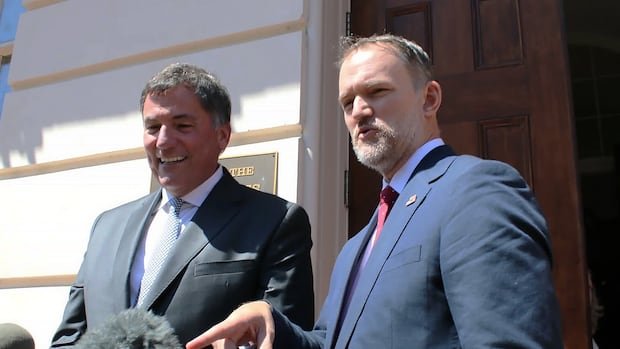


This week, Canadian and U.S. politicians have engaged in a heated exchange of personal insults, labeling each other with derogatory terms such as weak, nasty, foolish, ridiculous, and a loser, with one even inviting the other to “kiss my ass.” These insults have further fueled the ongoing feud between the two nations, which has already resulted in significant tariffs on cross-border trade. However, while the public exchange has been marked by animosity, trade negotiators from both sides have refrained from personal attacks in their public statements.
According to political analysts and a public relations expert, the difference in tone between the politicians and trade negotiators can be attributed to the specific roles assigned to them by their superiors in handling the trade dispute. This strategic approach aims to avoid complicating negotiations with personal animosity.
Trade discussions between the U.S. and Canada broke down recently, with blame being placed on each other for the failed negotiations. The lack of transparency around the scuttled agreement has left the public reliant on politicians’ comments to assess the progress of the talks. President Donald Trump’s provocative actions, such as renaming Lake Ontario to Lake America, have further strained relations between the two countries.
In interviews with CBC News, cabinet members from both countries criticized each other’s economic policies without resorting to personal attacks. Canada’s chief negotiator, Janice Charette, also maintained a professional stance, emphasizing the importance of focusing on economic matters during negotiations. Experts suggest that avoiding personal insults in public is crucial for maintaining productive discussions and working towards securing favorable trade deals for both nations.
Furthermore, historical examples of previous trade negotiations between Canadian and American representatives illustrate a pattern of tense yet amicable relationships behind closed doors. This history of navigating disagreements professionally highlights the importance of maintaining a respectful dialogue to achieve mutually beneficial trade agreements.