
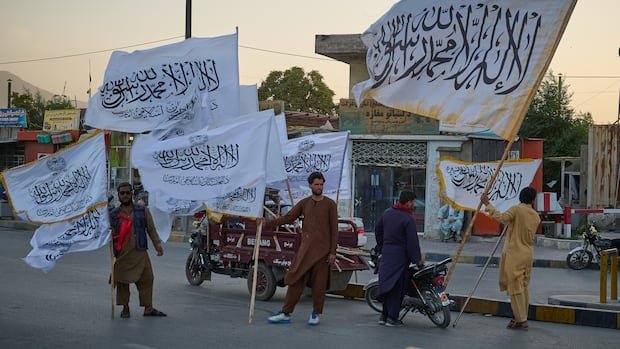


Abdul Razaq Khan, a former interpreter and assistant for Canadian media during the Afghan conflict, received a late-night message five years ago from a journalist he had guided through the tumultuous streets of Kandahar. At that time, he was residing in Kabul after the Canadian forces left Afghanistan, working at the American aid organization USAID. This interaction coincided with the Taliban’s advancements towards Kabul in the summer of 2021.
Having relocated to Canada and reflecting on the abrupt collapse of the western-supported government, Khan shared his struggles with losing his job, home, and homeland. Recalling his departure, he expressed, “I had to leave my country. No one leaves their country happily.”
Khan managed to escape on foot, crossing into Pakistan just as the Taliban seized control of the Afghan capital. His association with Canadian media outlets, notably The Canadian Press, CTV News, and Postmedia, had made him a target, a dilemma shared by many Afghans who worked with journalists, military personnel, diplomats, and aid groups from the West.
The Taliban’s resurgence not only displaced countless Afghans but also ushered in a return to their oppressive regime characterized by the marginalization of women, media censorship, and the imposition of strict moral codes through a specialized ministry.
The plight of Afghan women has been particularly dire, with reports from The Zan Times, a women’s advocacy group, revealing a surge in violence against women amid a climate of impunity. The organization’s investigations, conducted with the help of local journalists in Afghanistan, challenge official narratives of female deaths labeled as suicides, often uncovering instances of domestic abuse.
In the aftermath of the 2021 turmoil, Western nations have struggled to safeguard women’s rights within Afghanistan, resorting to diplomatic condemnations and targeted sanctions due to the limitations imposed by the Taliban regime.
Despite the challenges, various countries have initiated humanitarian visa programs and resettlement schemes to assist at-risk Afghan women, including judges, activists, journalists, and politicians. However, a recent report by Local Staff International and AfghanEvac highlighted the shortcomings and logistical hurdles faced by allied nations in evacuating and resettling vulnerable Afghans.
Canada, for instance, resettled over 60,000 vulnerable Afghans post-Taliban takeover, surpassing an initial target of 40,000 individuals. While commendable, there are still many vulnerable Afghans left behind under Taliban rule, necessitating a reassessment of resettlement strategies to fulfill the promises made to those who supported American and NATO forces during the conflict.