
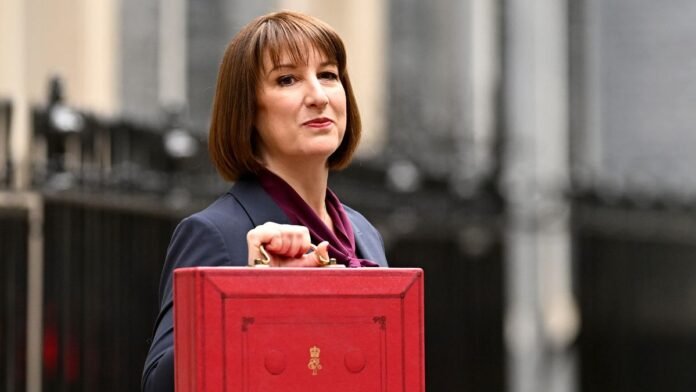


Chancellor Rachel Reeves faces challenges ahead of the upcoming Budget as recent data reveals higher government borrowing than anticipated and a decline in retail sales for the previous month.
According to the Office for National Statistics, public sector borrowing in October was at £17.4 billion, the third-highest for that month on record. This figure exceeded economists’ expectations of £15 billion and the forecast of £14.4 billion made earlier in the year by the Office for Budget Responsibility.
The latest numbers fuel predictions of potential tax increases in the Budget to address the significant deficit in UK public finances, estimated at up to £50 billion by some economic experts. Additionally, separate data from the ONS indicated a larger-than-expected 1.1% drop in retail sales, suggesting consumer caution leading up to potential income reductions.
Ruth Gregory from Capital Economics commented that the data paints a bleak economic outlook, warning that tax hikes could dampen consumer spending during the holiday season and into the new year. Government borrowing for the current financial year stands at £116.8 billion, £9 billion higher than the same period last year.
Treasury Chief Secretary James Murray highlighted the need for debt reduction, emphasizing the sizable portion of taxpayer money spent on servicing the national debt. The government aims to implement substantial deficit reduction measures over the next five years to lower borrowing costs and redirect funds towards essential public services.
Public sector net debt, excluding the Bank of England, reached £2.77 trillion by the end of October, equivalent to around 90% of GDP. Despite this, debt interest payments on government borrowing decreased by £900 million in the last month, partly due to a decline in the Retail Prices Index measure of inflation.
Economists Elliott Jordan-Doak and Thomas Pugh expressed differing opinions on the government’s fiscal strategy, with Jordan-Doak suggesting potential uncertainties in the Budget plans and Pugh speculating on the likelihood of numerous tax increases being implemented.
Overall, the economic data underscores the challenges facing Chancellor Reeves as she prepares to address the pressing financial issues in the upcoming Budget.