
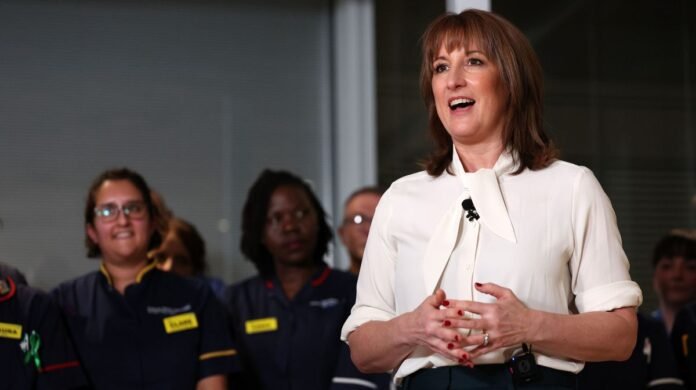


Rachel Reeves unveiled a series of measures in the Budget aimed at easing financial burdens on struggling households, backed by a £26 billion tax increase. The announcement was initially overshadowed by a mishap from the Office for Budget Responsibility, which accidentally disclosed key details before Reeves’ speech. However, the Chancellor remained resolute in her pledge to assist ordinary citizens with alleviating pressures related to energy bills, wages, rail fares, and fuel expenses.
Reeves affirmed her commitment to reducing the cost of living, emphasizing that the Budget would combat inflation and offer immediate relief to families. Members of the Labour party cheered as she revealed plans to eliminate the two-child benefit limit imposed by the Conservatives, a move expected to uplift 450,000 children out of poverty.
Additionally, Reeves declared her intention to abolish the controversial “rape clause,” which required women to prove non-consensual conception of their children to access support. As the first female Chancellor of the Exchequer in the UK, she condemned the dehumanizing and cruel nature of the clause, vowing to eradicate it from legislation.
Acknowledging the impact of tax increases, Reeves outlined support measures to mitigate the effects on working individuals resulting from the extension of tax threshold freezes. She called for collective contributions to address public finance gaps while targeting wealthier individuals through a mansion tax on properties exceeding £2 million, along with adjustments to rental income, dividends, and savings taxation.
The Budget introduced over £1 billion in gambling taxes on remote gaming and online betting, while maintaining existing rates for in-person gambling and horse racing. Notably, bingo duty will be completely eliminated starting in April.
Last year’s Budget saw tax hikes amounting to £40 billion, necessitating additional measures this year due to economic challenges, global instability, and policy reversals. Reeves also allocated nearly £22 billion as a buffer to safeguard the UK against future economic shocks.
Despite the economic forecast predicting slower growth, Reeves’ Budget decision is anticipated to ease the decline in living standards for low-income households over the parliamentary term. While critics argue that the Budget breaches Labour’s manifesto commitments to protect working individuals from tax hikes, Reeves defended her approach by emphasizing the importance of fair contributions and closing tax loopholes.
Various stakeholders expressed contrasting views on the Budget’s impact, with trade union representatives welcoming the relief provided to low-income earners and industry leaders cautioning against potential economic stagnation due to tax changes. Despite differing opinions, the Budget is poised to mark a shift from the austerity measures imposed by previous Conservative governments, aiming to improve living standards and redistribute financial burdens more equitably across society.