
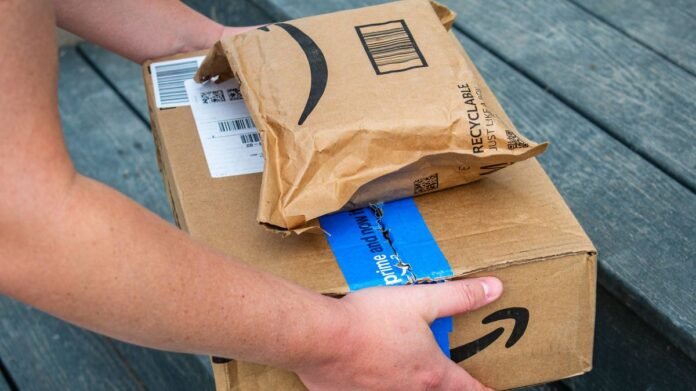


Scammers are running convincing Amazon schemes that target unsuspecting shoppers. These fraudulent activities, mimicking official Amazon notifications, aim to trick individuals into revealing personal information. Once scammers obtain login credentials, they can access accounts, make unauthorized purchases, and potentially breach other sensitive areas like emails or banking accounts. It is crucial to be cautious and never click on suspicious links or provide personal details to unknown sources.
One prevalent scam involves fake delivery notifications or requests for small payment fees to reschedule deliveries. These messages, appearing legitimate, prompt users to input payment details, which are then exploited by scammers. To avoid falling victim to such scams, it is advised to refrain from clicking on links in text messages and instead verify information directly through official channels.
Moreover, scammers are now resorting to sophisticated phone scams, posing as Amazon representatives to deceive individuals into divulging sensitive information or granting remote access to devices. Amazon emphasizes that it will never request passwords or sensitive data over the phone. Therefore, it is essential to be cautious of unexpected calls and always verify the legitimacy of such requests through official Amazon platforms.
Furthermore, shoppers should be wary of third-party sellers on Amazon and ensure that all transactions remain within the platform. Any request to move payments outside of Amazon should raise red flags, as it could indicate potential fraudulent activities. By staying vigilant, verifying sources, and promptly reporting suspicious incidents, consumers can protect themselves from falling prey to Amazon scams and safeguard their personal information.