
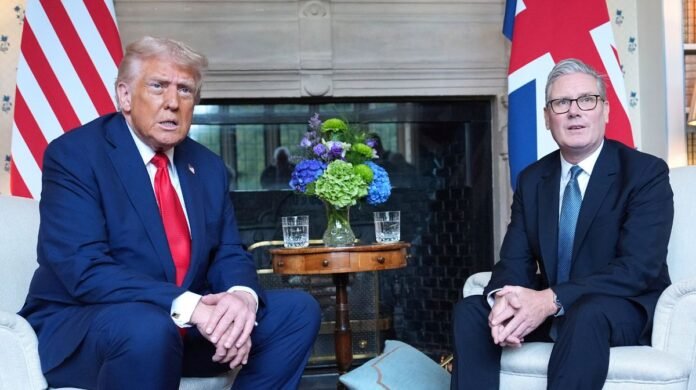


Donald Trump appears genuinely taken aback by the hesitance of America’s allies to support him in dealing with Iran. However, this reaction shouldn’t come as a surprise, given the circumstances leading up to it.
In a nutshell, Trump launched an attack on Iran without a clear strategy for the foreseeable consequences. While Iran lacked the military strength to fend off a full-scale assault from the world’s sole superpower, they had the capacity to disrupt the global economy by endangering the crucial Strait of Hormuz, a vital passage for oil and gas shipments.
Faced with the challenge of a prolonged conflict where securing the Strait proved difficult and immediate victory elusive, Trump sought assistance from other nations to address the fallout of his actions. Unfortunately, the international community responded with a resounding rejection, primarily due to the potential backlash from their own populations for intervening in a situation created by Trump.
Moreover, there has been a misinterpretation of Donald Trump’s character and approach in his second term. Despite being labeled as a “transactional” President focused on deal-making, the reality is quite different. Trump’s actions lack a genuine concern for mutual benefit in negotiations; instead, his priority lies in personal gain, preserving his administration’s interests, and securing his legacy.
While Trump often boasts about preventing numerous conflicts through deals, the truth is that his tactics involve coercive measures such as imposing hefty tariffs to compel warring parties to cease hostilities. This approach, characterized by threats of violence or severe economic repercussions, can be best described not as transactional but as extortion.
However, Trump’s leverage on the international stage has been weakened by legal challenges, particularly the loss of his favorite tool, tariffs, due to Supreme Court rulings. Additionally, his overconfidence stemming from past actions like the sudden intervention in Venezuela has contributed to a sense of invincibility, leading him to believe he could act with impunity, even contemplating drastic measures against Iran without anticipating repercussions.
In essence, Trump’s inflated ego has led him to overextend his military capabilities, resulting in a reality check for his administration.