
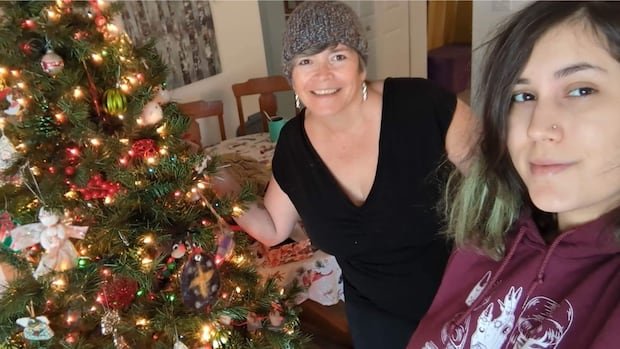


On a snowy November day, my daughter Kit and I were organizing four boxes of tree decorations, dividing them between us. Kit, now living independently, wanted to set up her own Christmas tree. Unpacking the ornaments brought back memories of loss and grief from past holidays when children who were no longer with us used to be around.
Over the years, our family had fostered 23 children, with most placements being temporary. Eventually, our two children came to us through adoption. I was surprised to find out that Kit remembered the stories behind each homemade ornament, even for those made by people she had never met. It was eye-opening to realize that her holiday memories differed from mine.
As I unpacked, I came across a tree topper we received on our first Christmas as a married couple. The angel ornament, held together by Krazy Glue, symbolized the cracks in our marriage. Passing it to Kit, I wondered if she would want it given its fragile state. To my delight, she eagerly accepted it, reminiscing about how she always wanted to be the one to place the angel atop the tree.
Another discovery was a Santa sleigh and reindeer ornament made by an eight-year-old boy we fostered. It stirred up mixed emotions as I recalled the social worker’s unsuccessful attempt to make him a permanent ward after spending five years in our care. We were forbidden from seeing or contacting him thereafter, leaving us with lingering love and concern for him.
Noticing my somber mood, Kit took the Santa decoration from me, sharing memories of how I used to place it near the bottom of the tree for her to play with. She appreciated the flames on the sleigh, reminiscent of a movie scene. Like our foster children, Kit preferred watching movies at home on Christmas Eve rather than attending church services.
Creating inclusive holiday traditions for our foster children was paramount to us and our extended family. We scheduled our Christmas dinner on alternate days so that the children could celebrate with their families while still enjoying our festivities. Each child received unique ornaments to decorate the tree or keep as a memento when they left our care permanently. This thoughtful gesture led to the Santa and reindeer ornament becoming a cherished part of my collection.
Unpacking further, I found a reindeer ornament made of pompoms, ribbon, and googly eyes, affectionately named “Big Balls” by my son. Reflecting on past experiences of dividing ornaments after my divorce, I realized the enduring significance of these decorations to my children.
As Kit held the Rudolph ornament, she shared how it symbolized continuity for her during Christmases spent in different places. Her insight into the ornaments’ significance brought a new perspective to our decorating tradition. I look forward to seeing her tree this year, filled with her unique narrative and joyous spirit.