
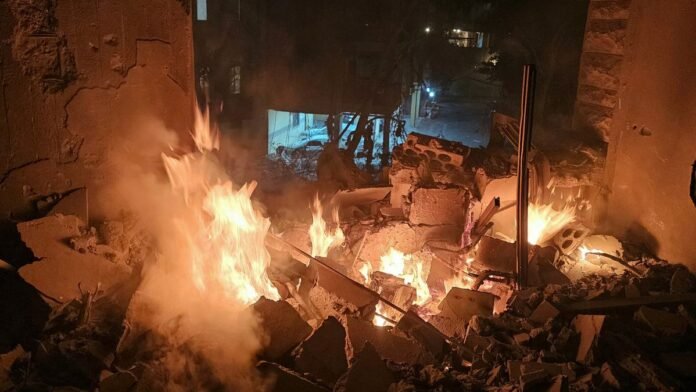


American and Israeli military strategists believed that eliminating Iran’s Supreme Leader Ayatollah Khamenei would severely weaken Tehran’s armed forces. However, despite three days of intense bombing, US intelligence assessments indicate that Tehran’s command and control structure remains operational.
This development suggests a significant miscalculation by the US, as Iran appears to be engaging in a prolonged and bloody war of attrition. President Donald Trump’s reliance on force and coercion in international affairs may not yield the desired outcomes, unlike previous administrations that heeded intelligence warnings.
While Israel seems determined to prevail in the conflict regardless of its duration, the US faces greater political and global repercussions. US Defense Secretary Pete Hegseth’s assertion that the military campaign aims to neutralize Iran’s military capabilities, particularly its missiles and navy, contrasts with the complexities of the situation on the ground.
Iran’s apparent strategy of enduring a protracted conflict to deplete US and Israeli military resources poses a formidable challenge. The need for additional military reinforcements, such as carrier strike forces and warplanes, underscores the evolving nature of the conflict in the Middle East.
As the military engagement escalates, concerns about the impact on the global economy, particularly the rise in oil prices, are mounting. President Trump’s fluctuating stance on Iranian leadership and the potential for a more moderate regime further complicate the situation, with the risk of internal strife and chaos looming in the region.