
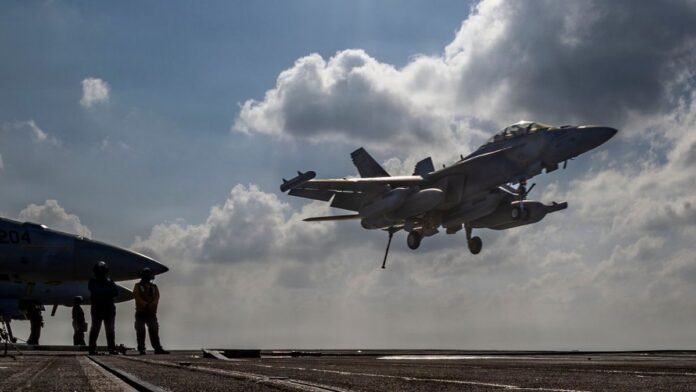


Tensions between Iran and the US are escalating as both countries increase their military preparedness for potential conflict. Social media exchanges between Washington and Tehran are adding fuel to the fire.
Speculation is growing in the Middle East and beyond about whether US President Donald Trump will authorize military strikes and what specific targets would be involved in such an attack. However, concerns are rising about the lack of clear objectives and detailed post-operation plans for any potential military action.
The potential fallout from internal chaos and violence in Iran could extend to the UK in the form of terrorism, creating additional security threats for the US ally. Iran has called on the UN Security Council to intervene and halt US military actions, prompting an emergency meeting in New York amid ongoing US threats.
Amid shifting rhetoric, Trump has oscillated between vowing to protect protesters and making aggressive statements regarding Iran’s nuclear program. Intelligence reports suggest previous US attacks only delayed Iran’s nuclear ambitions temporarily, while tensions continue to escalate with both sides deploying military assets in the region.
The possibility of regime change in Iran is being discussed, with suggestions that the US administration may seek a transition of power. However, the challenges of such a change, given Iran’s strong military presence and global network through groups like Hezbollah, are significant and could have far-reaching consequences for regional stability and counterterrorism efforts.
The implications of a potential conflict with Iran are substantial, with concerns about the broader impact on global stability and terrorism. The complexities of the situation highlight the need for careful strategic planning and diplomatic efforts to prevent further escalation and mitigate risks of prolonged instability.