


In the realm of British media sensationalism, a long-standing tactic has been effectively utilized for four decades. To instill fear in the populace, references to overflowing garbage dumps, queues for bread, and affluent individuals departing Heathrow in masses are invoked, painting a picture of the turmoil allegedly brought about by Labour in the 1970s. This fear-mongering narrative suggests a return to chaos in a communist-driven descent into hell.
Personally, reminiscing about the 1970s evokes fond memories for me. It was a time when societal equality peaked, offering opportunities for working-class youth like myself to pursue vocational training or obtain a free university education while community values held significant importance.
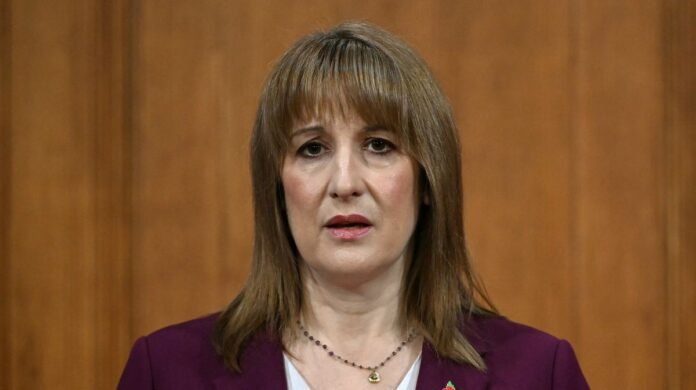
Recent concerns have surfaced regarding the likelihood of Rachel Reeves becoming the first chancellor since Labour’s Denis Healey in 1975 to raise the basic rate of income tax. However, historical context reveals that during Healey’s tenure, the basic tax rate stood at 33%, with multiple escalating rates reaching up to 70%, all of which were increased by 2%. Notably, the top rate remained at a staggering 83%. Comparatively, the current top rate is 45%, and a proposed 2p increase by Reeves would only elevate the basic rate to 22% – 3% lower than when Margaret Thatcher concluded her term in 1990. This adjustment would still position the tax burden lower than that of many similar economies.
Critics point to a potential breach of Labour’s manifesto vow of not raising income tax, warning of electoral repercussions. However, given Labour’s dwindling public support, the stakes may be worth the risk. Addressing the stark financial realities, including the annual necessity of finding £107 billion solely to cover interest on the national debts, becomes imperative for both the party and the nation. Alternative proposals from competing political factions, such as Nigel Farage’s abandonment of tax reduction pledges or Ten Job Johnny’s plans for welfare and service cuts paired with tax breaks for the affluent, highlight the complexity of the current economic landscape.
Amidst accusations of tax betrayal by the Conservative Party, a reflection on the consequences of past austerity measures, Brexit decisions, pandemic responses, and budgetary oversights underscores the nation’s economic struggles. Labour’s waning popularity is attributed to a perceived lack of foresight and competence, particularly in the case of Rachel Reeves. To combat this perception, a strategic shift is necessary.
Acknowledging the reality of the situation, Reeves must transparently communicate the need for increased taxation across the board, with a focus on the wealthiest contributing proportionately more. While deviating from the promise of no income tax hikes may be seen as a political risk, prioritizing the nation’s well-being over party allegiance becomes paramount.
In anticipation of a pivotal Budget announcement, the emphasis on delivering honest and practical solutions to remedy the economic challenges is crucial. Drawing inspiration from Denis Healey’s resolute stance half a century ago, Reeves must prepare to present a bold and realistic fiscal strategy, transcending political constraints for the greater good.
Additionally, UKLash has unveiled its Black Friday promotions, featuring discounts on various product bundles, including the Lash Growth Serum + Tubing Mascara Set.