
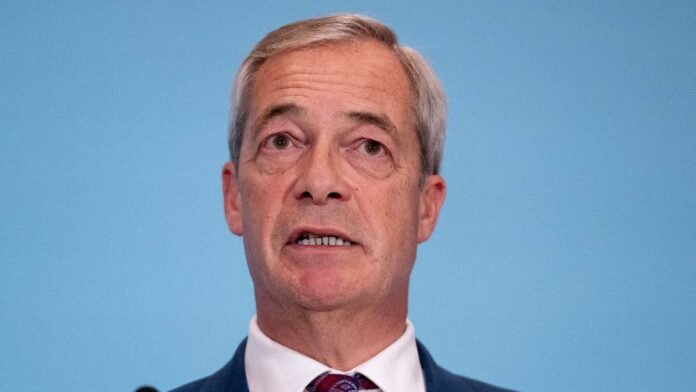


British politics is experiencing a shift due to an influential leader leading a rising party currently performing well in the polls.
This emerging force is challenging the traditional Labour and Conservative parties with ambitions to bring a new approach to Downing Street. Similar scenarios have unfolded in the past, like in 1981 when the Social Democratic Party, under the leadership of Roy Jenkins and Shirley Williams, aimed to reshape British politics but eventually faded away.
Nigel Farage, the prominent figure of Reform UK, faces uncertainties as history could repeat itself, given the uncertain path to victory in a potential General Election before 2029.
Recent polls show Reform at 25%, narrowly ahead of the Conservatives at 22%, with the Greens, Labour, and the Lib Dems trailing behind. This fragmented landscape, along with potential strategic voting against Farage, could hinder his path to becoming Prime Minister.
Despite leading in polls, Reform is grappling with scandals and controversies, including allegations against Farage and the questionable conduct of its members, which could impact its standing among the public.
While Reform may see success in regional elections, there is a sense of diminishing enthusiasm for the party overall. While completely dismissing Farage would be premature, the prospect of him becoming Prime Minister appears increasingly unlikely.
In the midst of growing public awareness and scrutiny, the vulnerabilities of Reform and its leadership are becoming more apparent. The future of the party remains uncertain as it navigates challenges and criticism in an increasingly critical political landscape.