
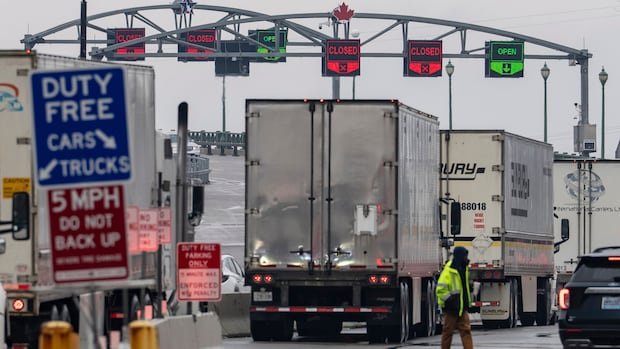


Enforcement of cross-border cargo regulations has significantly increased during the Trump administration, resulting in higher costs and delays, according to industry experts. The implementation of tariffs along the U.S.-Canada border has led to heightened scrutiny and penalties by customs officials, reflecting a more protectionist stance by the U.S.
Breanna Leininger, overseeing U.S. operations for Pacific Customs Brokers in Vancouver, noted a tenfold surge in the documentation required for shipped goods compared to previous years. The demand for detailed product classifications and trade agreement compliance has pushed importers to provide extensive paperwork, including labor and manufacturing records, with evolving proof requirements.
Customs audits have risen by 26% in 2026 compared to 2024, indicating a stricter approach to ensuring compliance with tariff classifications and trade agreements like the Canada-United States-Mexico Agreement. U.S. customs authorities collected $70.6 million in trade penalties in the first half of 2026, a notable increase from previous years.
The escalating trade tensions between Canada and the U.S. have resulted in additional tariffs being imposed, leading to delays and increased costs in cross-border trade. Alan Dewar, from GHY customs brokerage in Winnipeg, highlighted the financial burden imposed by these measures, including warehousing costs and service charges due to prolonged border checks.
Despite efforts to navigate the challenging regulatory landscape, some businesses find the enforcement measures overwhelming and may choose to discontinue cross-border operations. U.S. Customs and Border Protection emphasized the need for importers to provide accurate information and exercise due diligence in compliance with regulations.
Overall, the stricter enforcement measures and escalating trade disputes between the U.S. and Canada are reshaping the cross-border trade landscape, posing challenges for businesses on both sides of the border.