
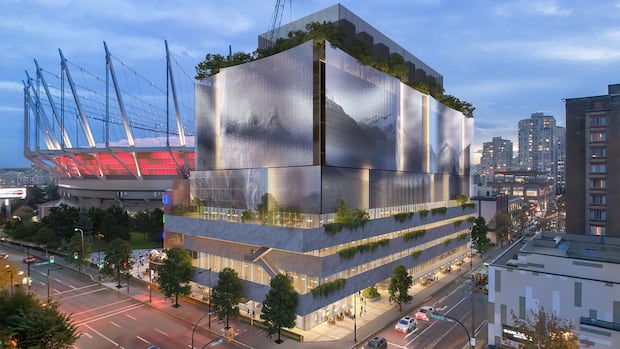


During a press event in May, former Telus CEO Darren Entwistle made an intriguing forecast regarding two AI data centres set for Vancouver.
With a smile, he stated, “They’re going to be sexy as hell,” while announcing a collaboration with developer Westbank Corp.
However, this partnership turned out to be short-lived.
This week, the telecommunications giant disclosed that it was withdrawing from both initiatives.
A representative remarked, “Telus has opted not to move forward with the co-development of the two previously announced Vancouver data centres with Westbank,” adding that the company plans to concentrate on enhancing an existing data centre in Kamloops, B.C.
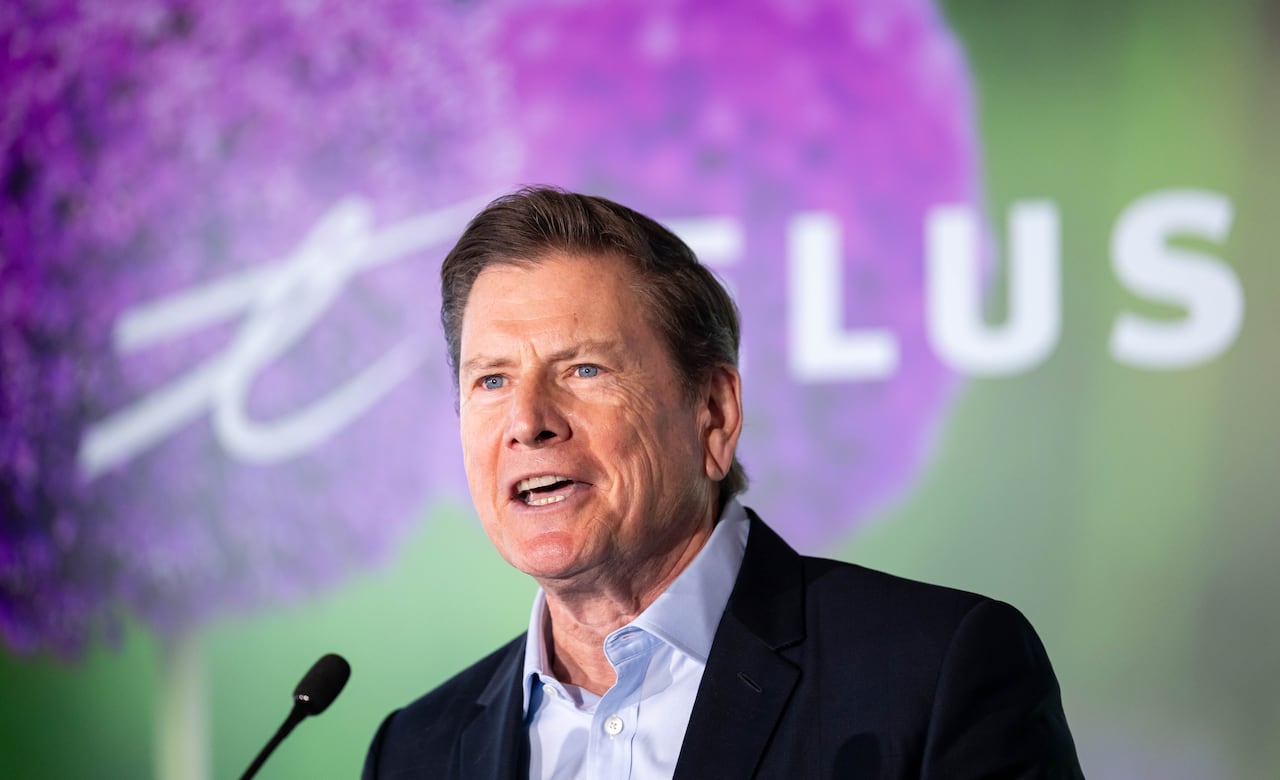
Darren Entwistle, the former CEO of TELUS, made his remarks in Vancouver in May, claiming the new AI data centres would be ‘sexy as hell.’ (Ethan Cairns/CBC)
Westbank, on the other hand, seems to be moving forward without delay.
In a statement, a spokesperson indicated that they have already secured a new partner.
“We are continuing with the projects as planned, with a new collaboration that will be revealed in the upcoming months,” the company stated.
The first of the two centres, located in an office building that previously served as the headquarters for Hootsuite in the Mount Pleasant area, was anticipated to launch by the end of the year.
A second site on West Georgia Street in the downtown region was scheduled to open in 2029.
Telus has not provided any rationale for its withdrawal from the projects, leaving many questions unanswered.
“I suspect that Telus is worried about its reputational risks,” commented Vancouver Coun. Lucy Maloney.
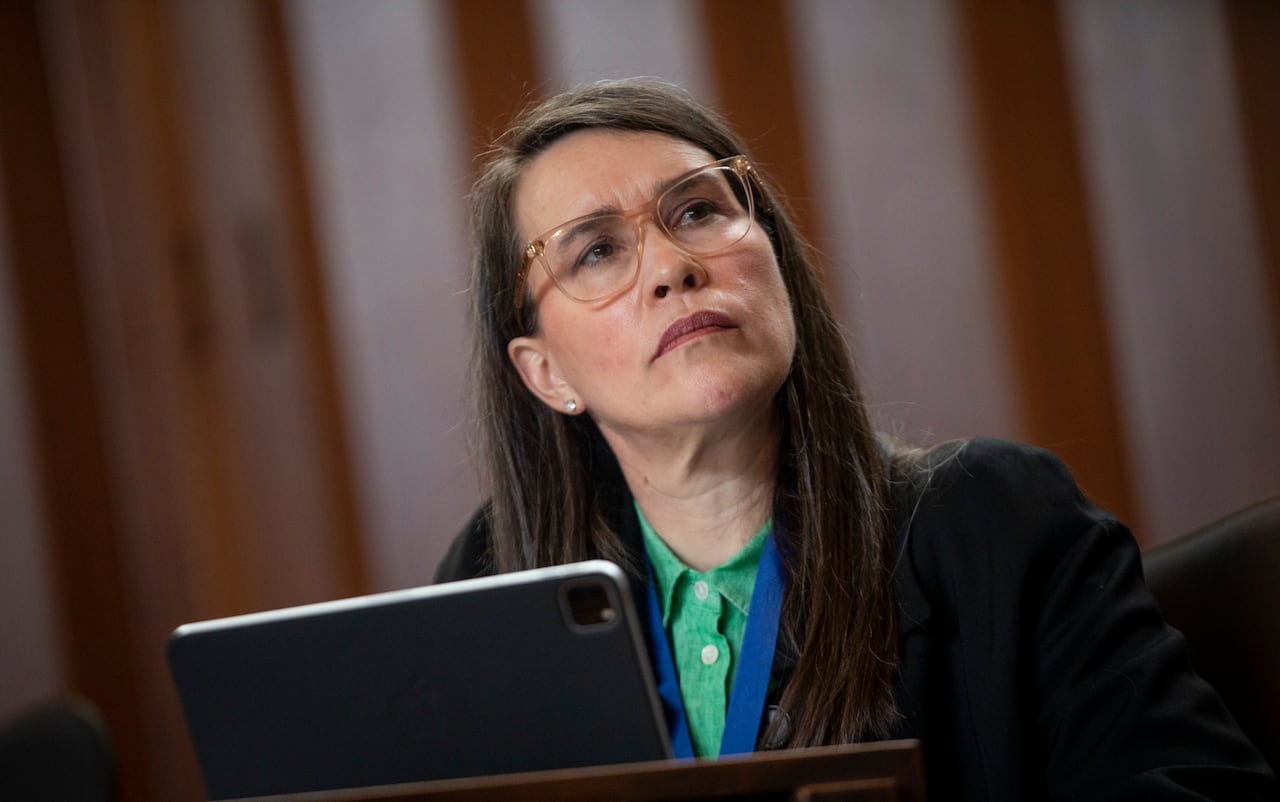
Councillor Lucy Maloney believes Telus is concerned about its public image. (Ben Nelms/CBC)
“I’m sure they’re weighing the expected return on investment against the complexities of addressing public apprehensions about AI.”
The newly elected council in Vancouver is scheduled to discuss a motion from Maloney aimed at strengthening approval processes for AI data centres during a meeting this week.
“I am simply asking the staff to assist in formulating a suitable and thorough regulatory framework that will provide us with the necessary information to evaluate rezoning requests for AI data centres,” she stated.
“We recognize that AI data centres can have significant impacts compared to other types of industrial and commercial operations.”
Although the motion did not gain traction with the former council, Maloney is optimistic that the new group elected in October will be more receptive.
“I am anticipating greater success,” she expressed.
“It’s widely acknowledged that Silicon Valley’s mantra is to move quickly and disrupt, but that approach is certainly not suitable for any regulatory body or governing institution.”
‘A lot of uncertainty’
The grassroots organization No AI Vancouver has been pivotal in mobilizing opposition to the data centres, contending that they are inadequately regulated and being fast-tracked without adequate community engagement.
The group has organized several protest events throughout the city in 2026, with some drawing hundreds of participants.
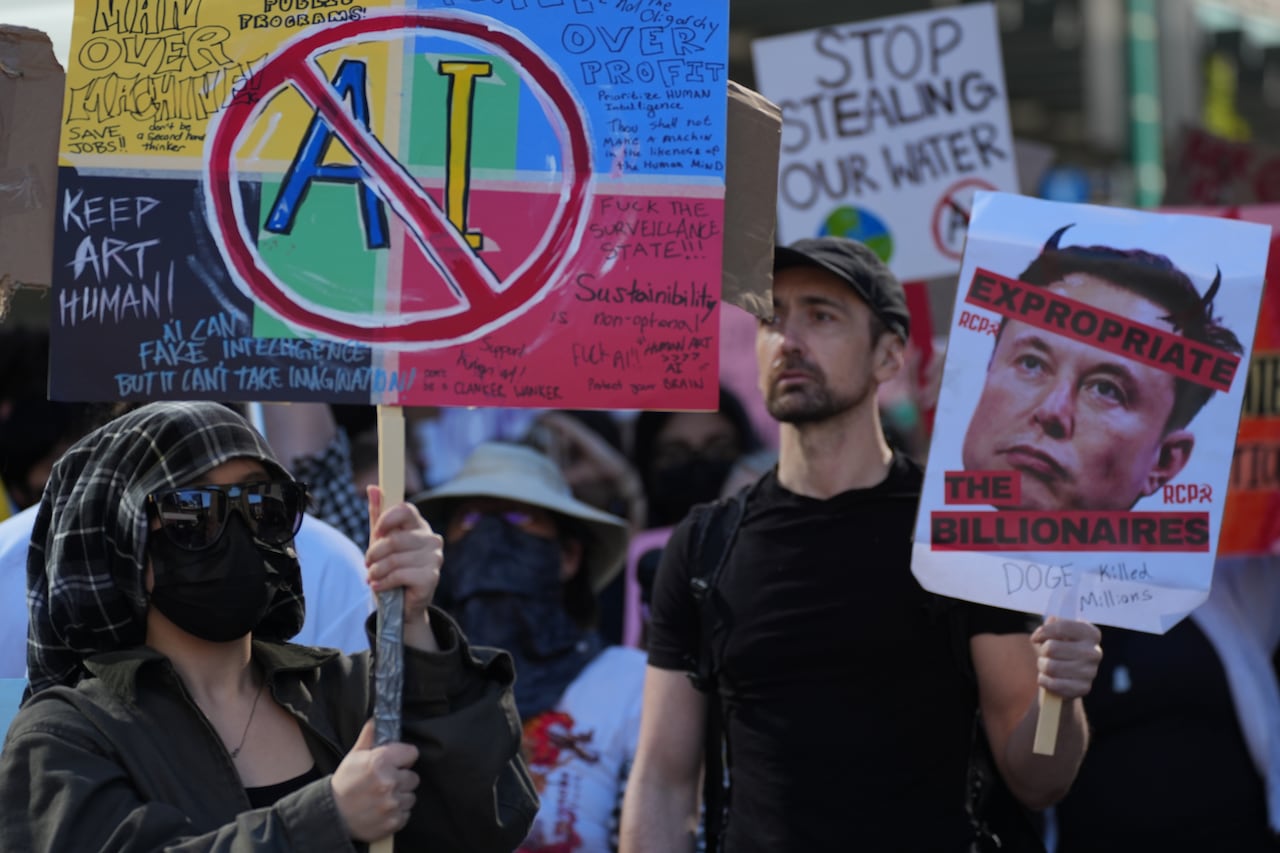
Hundreds have marched in Vancouver this year to demonstrate against proposed AI data centres. (Avery Woods/CBC)
Organizer Guerric Haché believes that the public’s response is also shaping the decisions of companies like Telus.
“There have been numerous protests in the streets, people have been writing letters, and stickers have appeared all over the city,” he noted.
“There is significant resistance to AI, which seems to be growing. Additionally, there’s rising concern about the market’s stability. Whether it is a bubble or on the verge of collapse is uncertain. There is considerable ambiguity.”
This uncertainty extends to Telus itself.
Quebecor, based in Montreal, has made a $31-billion acquisition proposal, which would result in a company with a market capitalization surpassing that of competitors Rogers and Bell.
Telus has stated it is currently assessing the proposal, which will also undergo scrutiny by the Competition Bureau and the Canadian Radio-television and Telecommunications Commission.