
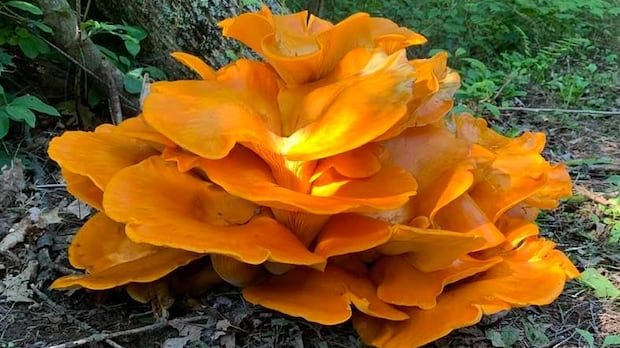


At a UN summit focused on safeguarding the world’s animals and plants, a team of scientists is advocating for the protection of another vital group of species often overlooked – fungi.
Fungi on Earth collectively weigh six times more than all the world’s animals combined, with an estimated 5 million species ranging from edible mushrooms to microscopic organisms crucial for ecosystem balance.
Chilean mycologist Giuliana Furci emphasized the indispensable role of fungi, stating that without them, the world as we know it wouldn’t exist. However, fungi have historically been excluded from conservation efforts for plants and animals, prompting Furci to establish the Fungi Foundation in 2012, the first non-profit organization dedicated to fungi conservation.
Recent initiatives such as the Global Fungal Conservation Network, including entities like Mycosphaera, have emerged to advocate for fungi preservation. The coalition launched the Global Strategy for Fungal Conservation at the COP17 UN biodiversity conference in Yerevan, Armenia.
Despite the profound importance of fungi, they are often left out of environmental discussions and legislative actions, leading to incomplete conservation efforts. Furci emphasized that recognizing fungi is essential for understanding ecosystem functions and addressing global crises like climate change and biodiversity loss.
The lack of formal recognition and naming of many fungi species poses challenges in conservation efforts. Notably, only a small fraction of fungi have been formally described, with threats to fungal species increasing, as evidenced by the inclusion of 1,300 fungi on the IUCN Red List, with hundreds facing extinction risks.
Furci highlighted that fungi face similar threats as other organisms, such as habitat loss, climate change, and pollution, underscoring the need for tailored conservation actions to ensure their survival and the overall health of ecosystems.
Efforts to protect rare fungi are hindered by the difficulty in identifying and counting species, especially microscopic ones or those living underground. The complex nature of fungi networks and their sporadic fruiting patterns make assessing their abundance challenging.
Conservationists are rallying for greater recognition of fungi within global agreements and conservation frameworks to integrate fungi into biodiversity monitoring and conservation strategies. By acknowledging the significance of fungi in everyday life and ecosystems, individuals can contribute to their conservation efforts.
Incorporating fungi into biodiversity discussions and actions is crucial for a comprehensive understanding of environmental health and resilience. Recognizing fungi alongside plants and animals is a critical step towards holistic conservation efforts and sustainable coexistence on Earth.