
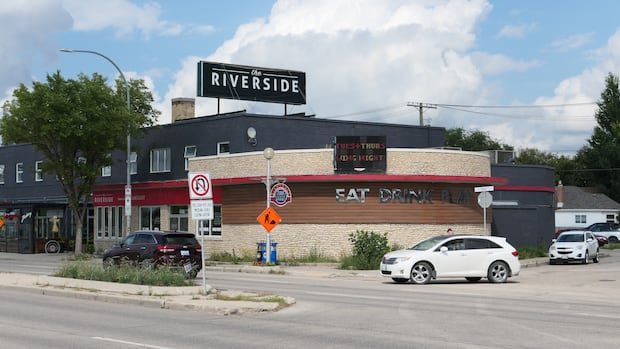


Privacy advocates have expressed alarm following an incident where a woman was flagged as a nationwide public safety risk by a Winnipeg bar’s ID scanning system, resulting in her being refused entry to a Calgary Stampede venue in July.
Known as Alexandra, a lawyer from Montreal, she visited Riverside bar in St. Vital on June 6, where her driver’s license was scanned by a Patronscan ID scanner at the entrance. The scan was conducted without informing her of the purpose, leading to a subsequent flag that prevented her from entering establishments across Canada.
Alexandra, who wishes to remain anonymous, experienced discomfort at the Winnipeg bar and was asked to leave while feeling unwell. Despite leaving without causing any issues, an incident triggered a flag against her in the system.
On July 9, Alexandra attempted to enter a Calgary Stampede venue, only to be denied entry, being falsely informed of having a criminal record. Subsequent attempts the following day led to another denial, prompting her to inquire further. It was revealed that a flag labeled her as a “public safety concern” due to an incident at Riverside where she entered the men’s bathroom and allegedly refused to leave.
Realizing the cross-provincial data sharing, Alexandra raised concerns regarding the lack of transparency and privacy violations. The bar later acknowledged the error, attributing it to an internal miscommunication, and removed the external flag from her profile.
The bar’s management reassessed its protocols for flagging individuals and information sharing practices with other establishments following Alexandra’s complaints. They emphasized the importance of differentiating between legitimate public safety uses and inadvertent administrative errors.
Experts highlighted the need for individuals to understand how their personal data is utilized when their IDs are scanned at venues, emphasizing the requirement for clear and meaningful consent. Questions were raised about the necessity, appropriateness, and security of data collection practices and sharing policies.
BarWatch programs, like the one in Vancouver, utilize Patronscan to enhance safety by identifying and banning problematic individuals across participating venues. The program operates within established guidelines and collaborates with law enforcement to maintain security standards.
Critics raised concerns over the lack of clarity in Patronscan’s disclosure signage, emphasizing the subjective nature of flagging individuals and its potential consequences. They highlighted the importance of informed consent and transparency in data sharing practices to safeguard privacy rights.
Patronscan defended the mandatory signage requirements and assured that disputes over flags are investigated promptly. Alexandra is pursuing a formal complaint with the Office of the Privacy Commissioner of Canada to address the privacy violations she experienced.
In light of this incident, privacy advocates urge Canadians to be vigilant about how their personal data is collected and shared by third parties. As surveillance technologies advance, individuals are encouraged to speak out against potential violations of their rights and demand accountability from data handlers.