
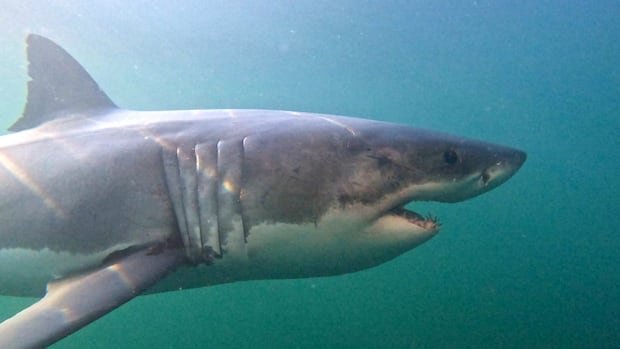


Various countries globally, known for shark frequentation, have implemented drone technology to monitor shark activities near public beaches. However, officials in Nova Scotia have indicated that they currently have no plans to utilize drones for this purpose.
Paul D’Eon, the director of the Nova Scotia Lifeguard Service, acknowledged that lifeguards in Australia and the United States have integrated drone technology into their surveillance measures. Nevertheless, the Nova Scotia Lifeguard Service has not actively pursued the adoption of drones.
The Department of Natural Resources, responsible for overseeing public beaches in the province, did not disclose any intentions to invest in aerial shark surveillance using drones. Lynette Macleod, a spokesperson for the department, confirmed that drones are not currently utilized in Nova Scotia.
During the summer months, the lifeguard service monitors 24 public beaches in the province, operating eight hours a day, seven days a week. This monitoring coincides with the annual migration of great white sharks into Nova Scotia’s warmer waters.
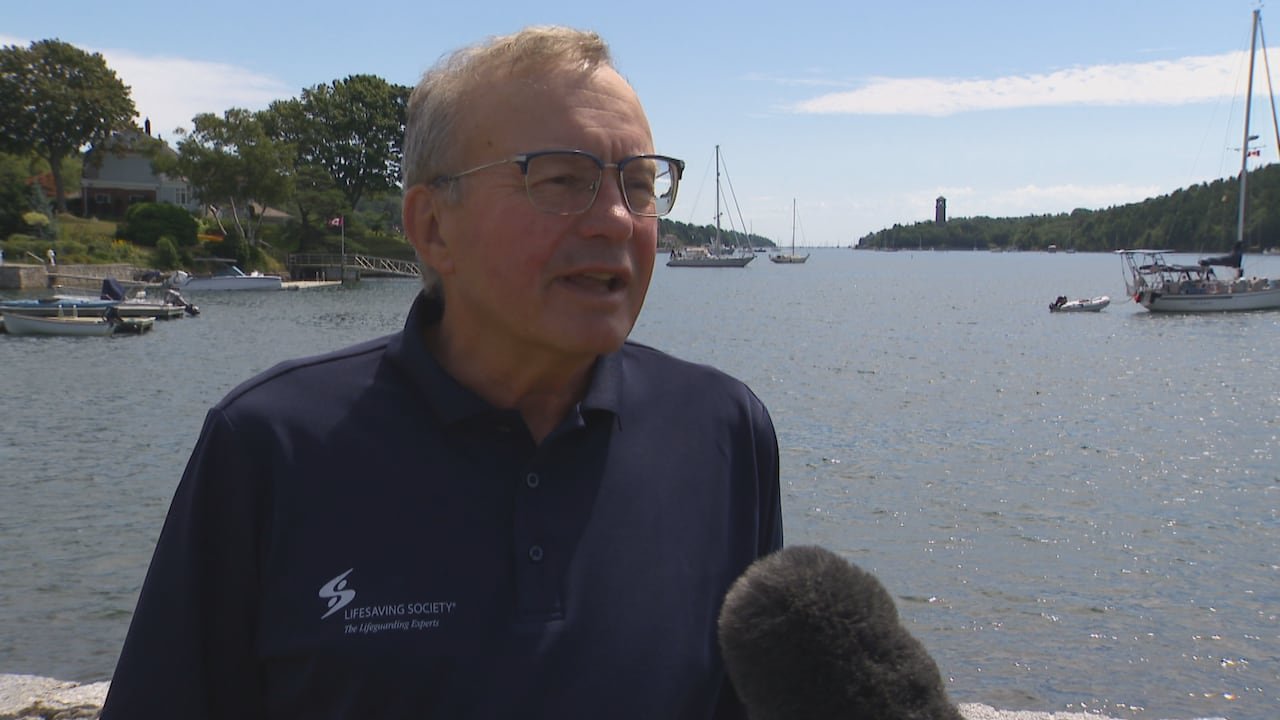
Paul D’Eon, the director of the Nova Scotia Lifeguard Service, has been protecting the province’s beaches for 52 years. (David Laughlin/CBC)
D’Eon mentioned that based on his 52 years of experience safeguarding Nova Scotian beaches, there have been no shark attacks. However, there has been a slight increase in shark sightings over the years.
Previously, beach closures triggered by shark fin sightings were infrequent, occurring every few years. Presently, an average of two beach closures due to shark sightings occurs annually.
D’Eon emphasized that while the lifeguard service continually monitors safety factors affecting the public, he currently does not see the need for the province to invest in drone technology.
“If circumstances change, a reassessment may be necessary,” D’Eon added.
-
Large great white shark found dead on Nova Scotia beach, cause of death a mystery
-
On Big Tancook Island, researchers are starting to fill in the gaps on white sharks
Since 2015, the state of New South Wales in Australia has been utilizing drones to monitor its beaches. Following a series of shark attacks, the state government increased funding for drone patrols by $34 million in June 2026.</