
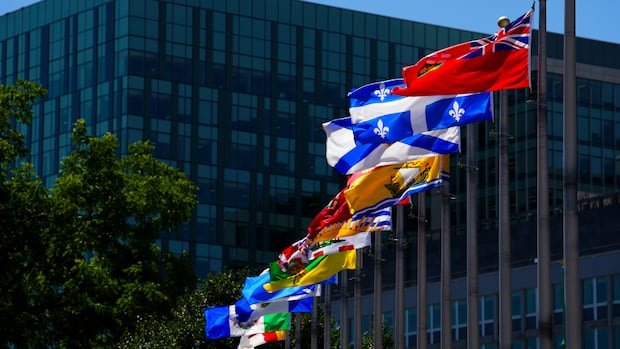


The breakdown of negotiations with the United States has heightened the importance of reducing trade obstacles within Canada. However, experts emphasize that addressing these issues is a complex endeavor.
Recent efforts to enhance interprovincial trade have gained momentum. Last month, nine provinces reached an agreement to permit direct-to-consumer alcohol sales across provincial boundaries, showcasing progress in a specific segment of the alcohol industry. Nonetheless, challenges persist as some provinces impose additional fees and regulations, creating hurdles for producers beyond their home province’s requirements.
Jeff Guignard, the CEO of Wine Growers British Columbia, criticized the inefficiencies of paying two wholesale markups and the burdensome registration process in multiple provinces to ship wine. He emphasized the need to streamline trade within Canada, calling the existing barriers unnecessary bureaucratic obstacles.
The potential economic benefits of simplifying domestic trade are significant. The International Monetary Fund estimates that eliminating internal trade barriers could potentially increase Canada’s real GDP by up to seven percent, approximately $210 billion in the long run.
In contrast, CIBC offered a more conservative estimate of a one percent GDP boost in March. Despite the variance in projections, the pursuit of reducing barriers remains crucial for economic growth.
Federal and provincial officials convened in Iqaluit this week to advance the vision of a unified Canadian economy and address impediments to trade. Discussions focused on promoting a freer flow of services nationwide, streamlining approval processes for construction materials, and facilitating food trade within Canada.
Corinne Pohlmann from the Canadian Federation of Independent Businesses welcomed the renewed emphasis on dismantling provincial barriers, highlighting the need for ongoing progress and operational effectiveness of existing agreements. She emphasized the importance of harmonizing regulations to create a cohesive national market.
Academic research by University of Ottawa professor Wolfgang Alschner underscores the complexity of regulatory discrepancies across provinces. Alschner’s AI-driven approach aims to identify and address unnecessary divergences in regulations to promote smoother interprovincial trade.
The persistent existence of longstanding regulations, such as Ontario’s unique U-shaped toilet seat requirement, exemplifies the challenges posed by outdated rules that impede trade opportunities. Alschner’s comprehensive regulatory analysis seeks to transition from anecdotal insights to a systematic understanding of regulatory frameworks to enhance trade facilitation.
While progress has been made in harmonizing regulations between provinces, Alschner advocates for a unified regulatory framework to foster increased trade activity in practice. The ultimate goal is not just reducing paperwork but enabling tangible improvements in trade dynamics across the country.