
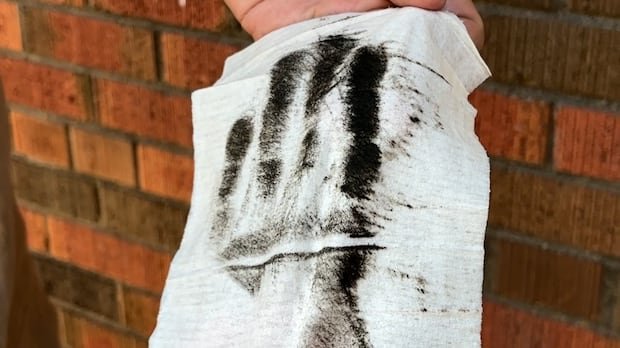


Emissions from Birla Carbon, a manufacturing company, were identified as a significant contributor to the soot that descended on residential areas in Hamilton last month, as reported by Ontario’s Ministry of the Environment, Conservation and Parks (MECP). The issue of black dust settling over Hamilton neighborhoods has been a persistent problem for many years, particularly near the eastern industrial sector. However, residents and local officials noted that the soot deposition in early July was exceptionally heavy and affected regions not typically impacted.
The fallout of soot was severe, covering homes and affecting pets and children, prompting numerous residents to urge elected leaders to address the issue. Following public outcry, the MECP disclosed that they have initiated a formal investigation into Birla Carbon for potential violations of environmental laws.
In response to the investigation, Birla Carbon stated that they are fully cooperating with the ministry. When questioned about the cause of the emissions and their nature, a company spokesperson mentioned that they had not received any official communication or report from the MECP regarding the findings. Birla Carbon’s sole facility in Canada, situated on Parkdale Avenue N., is involved in the production of carbon black, a fine black powder used in various manufacturing processes, including rubber and plastic production.
Hamilton Public Health has been briefed on the analysis and sampling results by the government, as confirmed by the ministry spokesperson. The ministry intends to enforce measures to prevent future incidents by requiring Birla Carbon to take necessary actions. Public health officials are currently evaluating the findings alongside toxicological experts to identify any potential health risks associated with the soot exposure.
Although the specific contents of the July emissions from Birla Carbon have not been disclosed, a proposed government standard for the carbon black sector from 2023 highlights the significant emission of sulphur dioxide by such facilities, particularly in areas like Sarnia and Hamilton, where health concerns have been raised. The standard underscores the adverse health impacts of sulphur dioxide emissions on respiratory and cardiovascular systems.
Councillor Tom Jackson, representing Ward 6, received numerous complaints from residents about the soot, with many attributing the issue to Birla Carbon. Jackson emphasized the need for the company to face substantial penalties and proposed redirecting any fines to assist affected residents with cleaning expenses. He emphasized the importance of businesses taking greater responsibility to prevent future incidents and protect the community.
On a related note, McMaster University researchers conducted a study on soot samples from Hamilton homes in 2024 and 2025, revealing the presence of toxic chemicals associated with coal combustion. The study suggested that coal combustion might be a significant source of the pollutants found in the soot, particularly in areas near the industrial sector. Further investigation is required to pinpoint the exact sources of these pollutants for effective mitigation strategies.