
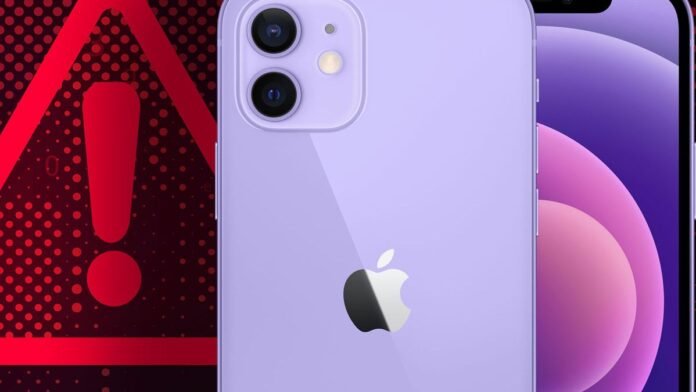


A new Apple scam has resurfaced, preying on individuals by exploiting concerns about low iCloud storage. Apple’s cloud storage service is crucial for many iPhone users as it serves as a secure backup for photos, documents, and essential files, preventing accidental loss or deletion.
Although iCloud simplifies device transitions for users across iPhone, iPad, and Mac by centralizing data storage, its primary limitation is the restricted storage capacity unless additional space is purchased. Scammers are capitalizing on these restrictions, using the fear of account blockage due to full storage to deceive individuals into disclosing personal and financial details.
For instance, Apple currently offers storage plans at 99p per month for 50GB, £2.99 for 200GB, and £8.99 for 2TB. Malwarebytes cybersecurity experts have noted a surge in fraudulent emails claiming that users have exhausted their storage space, highlighting the severity of the issue.
“The lure of losing precious photos is a potent tactic, prompting scammers to exploit it for stealing personal and financial information,” Malwarebytes cautioned. These deceptive messages, allegedly from Apple, assert that iCloud storage has been exceeded, leading to discontinued file backups. Users are then prompted to upgrade their storage through a link redirecting them to a counterfeit website designed to extract sensitive data.
While the specifics of these scam messages may vary, the core approach remains consistent: requesting a nominal payment to prevent the deletion of files from iCloud storage. “These emails direct users to various websites that solicit personal and payment details for completing the transaction,” as per Malwarebytes.
To enhance user safety, new guidelines have been issued, emphasizing that Apple does not send unsolicited emails regarding iCloud storage issues. Genuine alerts regarding nearing storage capacity are displayed within device settings or as official system notifications, not through unsolicited emails or text messages with external links. Users are advised to access their storage status directly through device settings for verification.
Five key rules have been outlined to safeguard against iCloud-related scams:
1. Access your account solely through Apple’s official website or device settings.
2. Refrain from sharing your password with anyone.
3. Exercise caution when clicking on links in unexpected emails or messages; verify their authenticity first.
4. Utilize updated anti-malware software with web protection enabled.
5. Avoid engaging with suspicious websites or payment requests to mitigate risks.
By following these guidelines, users can protect themselves from falling victim to fraudulent schemes targeting iCloud storage concerns.