
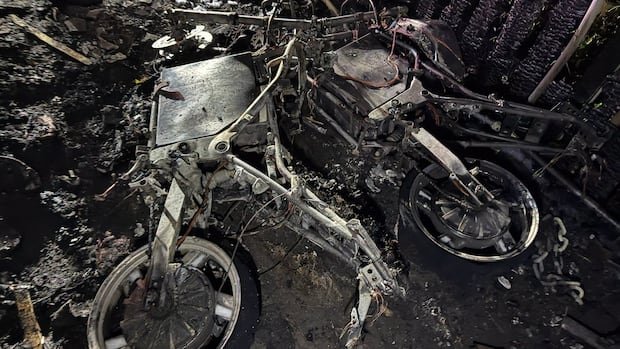


Warnings have been issued by firefighters regarding the challenging nature of hot, fast-burning lithium battery fires in various settings, including e-bikes in residential homes in Toronto and Peterborough, Ontario, along with incidents involving large storage batteries at a solar farm in Prince Edward Island. These concerns have led to restrictions on electric bikes and cars in certain buildings, public transportation systems, and ferries, impacting individuals who depend on these modes of transportation. Additionally, these incidents have instilled hesitation in some individuals about adopting electric vehicles.
As Fire Prevention Week is observed this week, the focus is on lithium batteries as the official theme. Understanding the challenges posed by lithium battery fires and strategies to mitigate associated risks is crucial.
Lithium Battery Fire Statistics
While Canadian fire departments do not consistently track lithium battery fires, estimates suggest that there were approximately 1,500 fires caused by lithium batteries across 600 communities in the country last year. The prevalence of these fires is escalating in tandem with the increasing use of lithium battery-powered devices in households, particularly e-bikes and e-scooters.
Compared to household devices, electric vehicles (EVs) and energy storage batteries are less susceptible to fires due to stringent testing and safety features like temperature sensors and cooling systems. Although nationwide data on EV fires in Canada is lacking, U.S. data indicates that such incidents are notably rare compared to fires involving gasoline-powered vehicles.
Causes of Lithium Battery Fires
Lithium battery fires typically originate from breaches in the barrier material that separates the battery’s positive and negative terminals, leading to short circuits. These breaches can result from wear and tear over time or physical damage, such as impacts or drops. Overheating, caused by improper charging methods or exposure to external heat sources, can also trigger fires.
Furthermore, lithium batteries are unique in their ability to burn hotter and faster than conventional fires. Once a lithium battery reaches thermal runaway, chemical reactions intensify, potentially causing an explosive fire. Additionally, these batteries produce their own oxygen during fires, hindering traditional fire suppression methods.
Moreover, lithium battery fires generate toxic byproducts such as hydrogen fluoride and contaminate firefighting gear with harmful compounds like formaldehyde and heavy metals, necessitating thorough decontamination procedures post-incident.
Handling and Extinguishing Lithium Battery Fires
To address lithium battery fires, experts recommend allowing the fire to burn out in many instances. Attempting to extinguish these fires with water can be counterproductive, as water does not smother the fire and may even prolong it. Additionally, the runoff from water may lead to environmental contamination.
For large energy storage batteries, firefighting efforts with water are often ineffective and may inadvertently contribute to reignition, emphasizing the complex nature of dealing with lithium battery fires.
Reducing the Risk of Lithium Battery Fires
Buying certified batteries with labels such as CSA, cUL, or CETL is advised to ensure safety features are present. Avoid modifying batteries for enhanced performance and follow proper charging practices, including using designated chargers and avoiding overcharging. Recycling lithium batteries at specialized drop-off sites is crucial to prevent environmental hazards and potential fire risks.
Implementing these safety measures can help mitigate the risks associated with lithium battery fires and promote responsible handling of these powerful energy sources.