
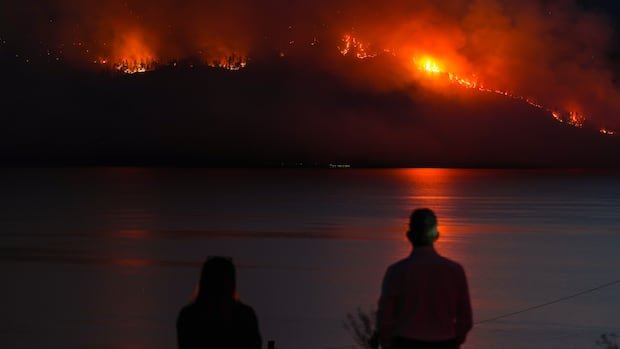


The recent resurgence of the Pacific Ocean warming phenomenon known as El Niño, alternatively dubbed as a “super” or “Godzilla” El Niño, is causing disruptions in global weather patterns. This occurrence comes amid record-breaking temperatures in North America and Europe during July, leading to numerous heat-related fatalities, dried-up waterways, and widespread wildfires. Despite the correlation between El Niño’s return and extreme weather events, climate scientists emphasize that the phenomenon itself is not solely responsible for these calamities, but rather may exacerbate the already heightened impact of climate change driven by fossil fuel emissions.
According to experts like Josh Willis from NASA’s Jet Propulsion Laboratory, the effects of El Niño are anticipated to be significant and widespread, affecting a vast geographical area with potentially substantial consequences. This natural event, occurring every three to seven years, involves a rise in sea surface temperatures along the equatorial Pacific, altering atmospheric conditions and triggering contrasting weather patterns globally, such as increased rainfall in dry regions and vice versa.
The current El Niño, expected to rival the intensity of past significant occurrences like those in 2015-16 and 1997-98, is projected to persist into the following year, potentially leading to a warmer winter in Canada and the northern U.S. Conversely, regions like the southern U.S. may experience increased precipitation during the winter months. Furthermore, El Niño is already impacting countries like Peru and Ecuador with heavy rains and drought conditions, while Indonesia is facing an extended wildfire season.
This El Niño event is unfolding in a world already experiencing elevated temperatures due to human-induced climate change. Scientists warn that the combined effects could result in unexpected outcomes, challenging previous climate models. The impacts of this El Niño are expected to linger well into 2027, with its heat gradually transferring from the ocean to the atmosphere over the coming months. As climate change continues to influence global weather patterns, the long-term effects of this current El Niño remain a topic of concern among environmental experts.