
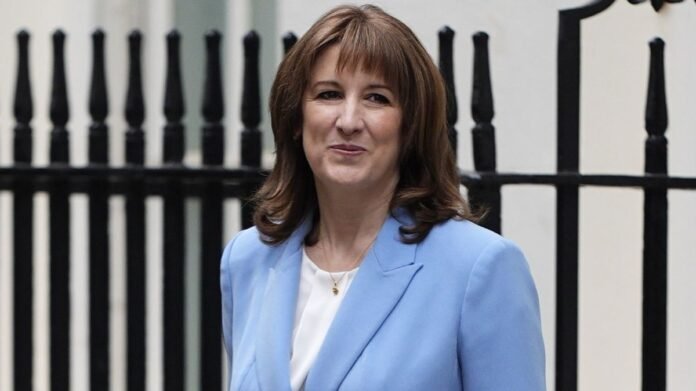


Chancellor Rachel Reeves presented the Spring Statement in the House of Commons today, focusing on potential tax adjustments. Currently, personal tax thresholds are frozen until the end of the 2030/31 fiscal year, a decision extended by the Chancellor in her previous Budget announcement last November.
The freeze in tax thresholds is termed fiscal drag, gradually pulling more individuals into higher tax brackets as their incomes rise. This method, considered a stealth tax, allows the government to increase tax revenue without directly raising tax rates.
In today’s Spring Statement, Rachel Reeves did not unveil any new changes to the tax thresholds. As a result, the thresholds will remain frozen until the conclusion of the 2030/31 tax period. The personal allowance, standing at £12,570, signifies the income threshold before tax obligations commence. Earnings above this amount incur the basic 20% income tax rate, with the higher 40% rate triggering on incomes exceeding £50,270 and the additional 45% rate applying to earnings surpassing £125,140.
Moreover, the National Insurance payment initiation threshold aligns with the personal allowance at £12,570. Individuals contribute 8% in National Insurance on earnings from this threshold and 2% on incomes exceeding £50,270. No further alterations to the tax system were introduced in the Spring Statement, maintaining the current fiscal framework.