
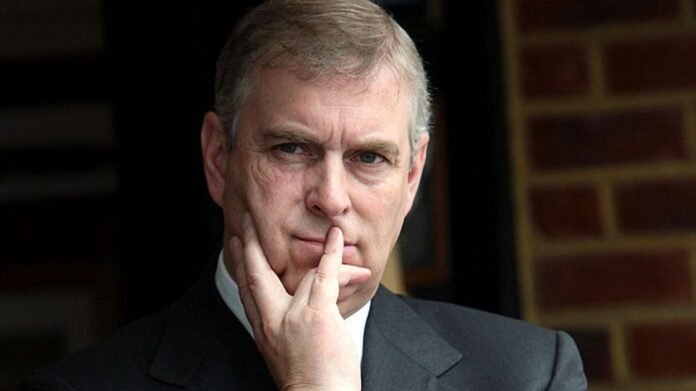


During a business trip to Hong Kong in 2010 as the UK’s Special Representative for International Trade and Investment, Andrew, formerly known as the Duke of York and now bearing the surname Mountbatten Windsor, allegedly arranged for Asian sex workers to be brought to his hotel, as per claims made by his biographer, Andrew Lownie.
Although prostitution is legal in Hong Kong, organized prostitution is prohibited by law. Various regulations exist against activities such as managing a vice establishment, procuring individuals for prostitution, living off the earnings of prostitution, and public solicitation.
Andrew’s trip to Hong Kong followed engagements in Beijing and other Asian countries related to UKTI work. The Court Circular records show his itinerary, including visits to prominent business establishments and meetings with key figures in the region.
Funding for UKTI visits has been a topic of discussion, with the UKTI covering some expenses like accommodation and in-country costs, while other expenses like private travel were charged to the UK taxpayer.
Investigations into royal finances revealed significant expenses incurred by Andrew during his tenure as the UK’s Special Representative for International Trade and Investment. Reports also mention previous instances of Andrew’s alleged involvement with prostitutes, including claims of women visiting Buckingham Palace without proper disclosure, raising security concerns.
Andrew’s close ties to China were highlighted, including his association with an alleged Chinese spy, Yang Tengbo, leading to security concerns and subsequent actions by UK authorities.
The High Court’s decision to uphold a ban on Mr. Tengbo due to national security threats further emphasized the seriousness of the situation. Andrew’s office clarified the termination of any connections with the alleged spy, following official advice and denial of discussions on sensitive matters. Buckingham Palace has been approached for comments on the matter.