
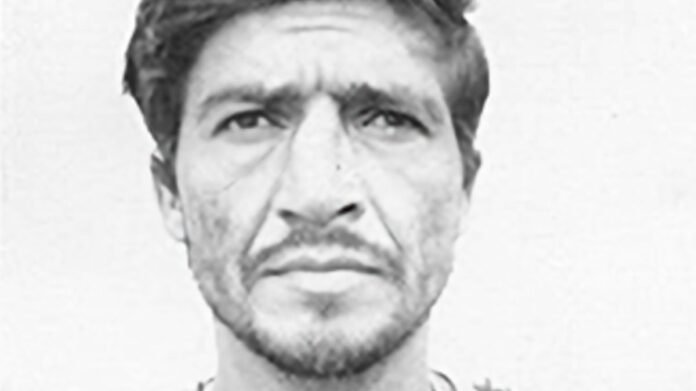


Pedro Alonso López, also known as the “Monster of the Andes,” holds a notorious reputation as one of history’s most active serial killers. López, who boasted about strangling hundreds of young girls in Colombia, Ecuador, and Peru, has evaded capture for many years, leaving his whereabouts unknown.
Born in 1948 in Colombia’s Tolima region, López’s early life was marked by turmoil and violence. Raised by a mother who worked as a sex worker and struggled to provide for her large family, López faced a harsh upbringing. Cast out of his home at a young age, he found himself living on the streets of Bogotá, where he endured further hardships.
After a brief stint with an American missionary family, López’s criminal tendencies emerged, leading to a series of violent incidents. Following a prison term for car theft, López’s time in jail took a dark turn when he retaliated against three inmates who assaulted him, resulting in their deaths.
Upon his release in 1978, López embarked on a chilling killing spree across Colombia, Ecuador, and Peru, targeting vulnerable young girls from impoverished backgrounds. He would lure them with false promises before assaulting and murdering them, burying their bodies in shallow graves.
Following a series of disturbing incidents and the discovery of multiple girls’ remains, López was arrested and confessed to numerous murders. Authorities uncovered dozens of grave sites, confirming his involvement in the deaths of at least 110 victims in Ecuador alone, with a possible total exceeding 300 across multiple countries.
Despite being convicted on multiple murder charges in Ecuador, López’s prison sentence was limited to 16 years due to existing laws. Released in 1994 on grounds of “good behavior,” he later faced a murder charge in Colombia but was deemed insane and sent to a psychiatric facility.
After a brief release, López disappeared, with sporadic sightings reported but never confirmed. Speculation continues about his whereabouts, with concerns that he may still pose a threat if at large, given his history of extreme violence and evasion of justice.
Today, in his late seventies, López remains a fugitive and a haunting reminder of the unresolved crimes he committed. Authorities and the public alike remain vigilant, fearing the possibility of his reemergence and the potential for further violence.