
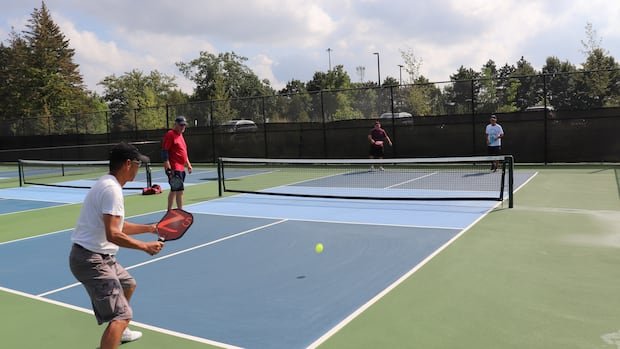



In various locations across the nation, there is intense competition between tennis and pickleball enthusiasts for access to court facilities.
For instance, the conversion of two public tennis courts in Scarborough, Ont., into six pickleball courts sparked opposition from a local tennis player who initiated a petition urging the city to reconsider.
In a more extreme case, a dispute over public court access between pickleball and tennis players on Mayne Island, B.C., escalated to the B.C. Supreme Court.
According to Matti Siemiatycki, a University of Toronto professor specializing in geography and planning, these disputes reflect broader challenges in allocating limited public recreational facilities.
Siemiatycki emphasized the importance of addressing the inadequate supply of recreational spaces rather than leaving sports communities to compete for access or relying solely on for-profit entities.
Peter Donnelly, a retired University of Toronto professor emeritus in sports policy, suggested that housing developers should be required to include more recreational amenities in their projects, similar to post-Second World War public housing policies.
He expressed concern that current policies favor developers at the expense of public recreational spaces.
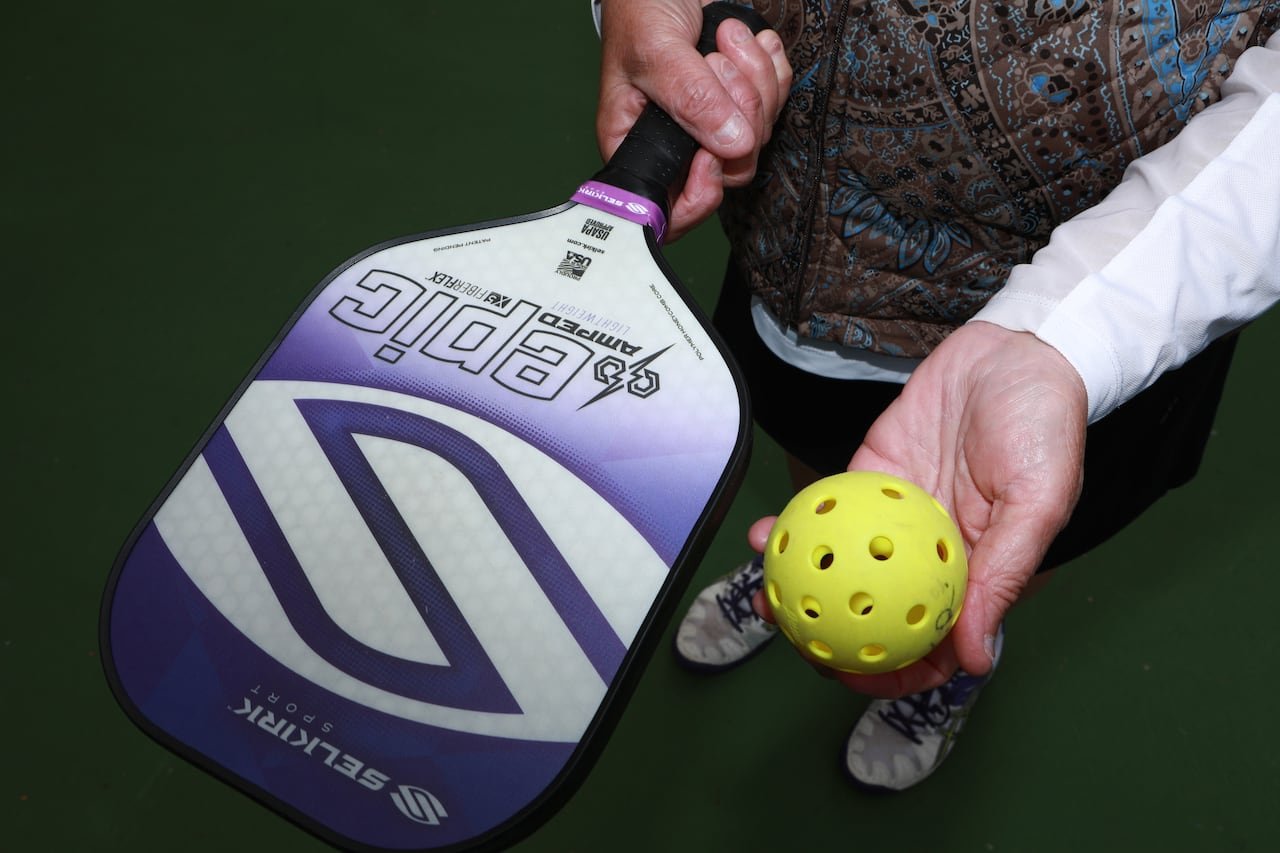
Connie McCann of Victoria’s regional pickleball association holding equipment in 2022. (Chad Hipolito/The Canadian Press)
To ensure equitable access to recreational spaces, experts advocate for a proactive approach to address the shortage of public facilities.
The surge in interest in pickleball and tennis, particularly during the pandemic, highlights the growing demand for outdoor sports activities that allow for social distancing.
Both Tennis Canada and Pickleball Canada reported significant increases in participation in recent years, reflecting the popularity of these sports.
<h2 class="