
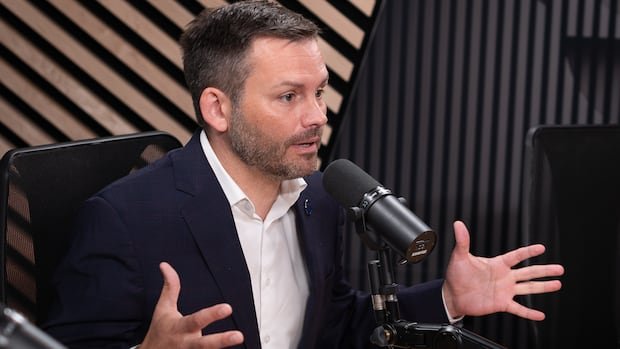


Parti Québécois Leader Paul St-Pierre Plamondon has made it clear that a sovereignty referendum will not be on the table as long as U.S. President Donald Trump is in office. With Trump’s term set to end in January 2029, Plamondon would have approximately a year and a half to consider holding a referendum if his party secures a majority in the upcoming Quebec election on October 5.
Plamondon emphasized in various media interviews that his party’s primary focus, if elected, would be to address and rectify issues created during the current Coalition Avenir Québec (CAQ) administration. He clarified that the decision not to pursue a referendum immediately is not a deviation from their earlier stance but rather a more specific articulation of their plans.
This announcement from Plamondon comes amidst concerns over impending U.S. tariffs that have already impacted the Quebec economy significantly. Poll analyst Philippe Fournier noted the uncertainty surrounding the upcoming provincial campaign, with the PQ holding a slight lead over the Quebec Liberal Party in recent opinion polls. However, it is evident that the majority of voters are not in favor of a referendum at this time.
Opposition parties swiftly criticized Plamondon’s decision, with Conservative Party of Quebec leader Éric Duhaime labeling him a “referendum weather vane” for seemingly altering his stance on independence so close to the election. Duhaime questioned the reliability of a leader who changes course just before a major political event, emphasizing that Quebec’s political decisions should not be dictated by external factors like the U.S. government.
Quebec Liberal Party Leader Charles Milliard criticized the PQ for sending mixed signals about its intentions, suggesting that delaying the referendum indicates a lack of commitment to separating Quebec from Canada. Current premier Christine Fréchette of the Coalition Avenir Québec condemned the announcement as “irresponsible” given the looming tariff threats.
Despite the postponement of a referendum, Plamondon affirmed that a PQ government would still aim to hold one within its initial mandate. He believes that the clarified timeline will resonate well with voters and intends to run a campaign that is comprehensive and decisive on all fronts. Analysts speculate that this strategy may attract voters who are hesitant about a referendum but eager for a change in leadership.
In conclusion, the decision to defer a referendum until after Trump’s term has garnered mixed reactions, with uncertainties looming over the effectiveness of this strategic shift. The upcoming Quebec election will ultimately test the impact of this announcement on the PQ’s electoral prospects and the broader political landscape.